The Allure of Wildlife Photography
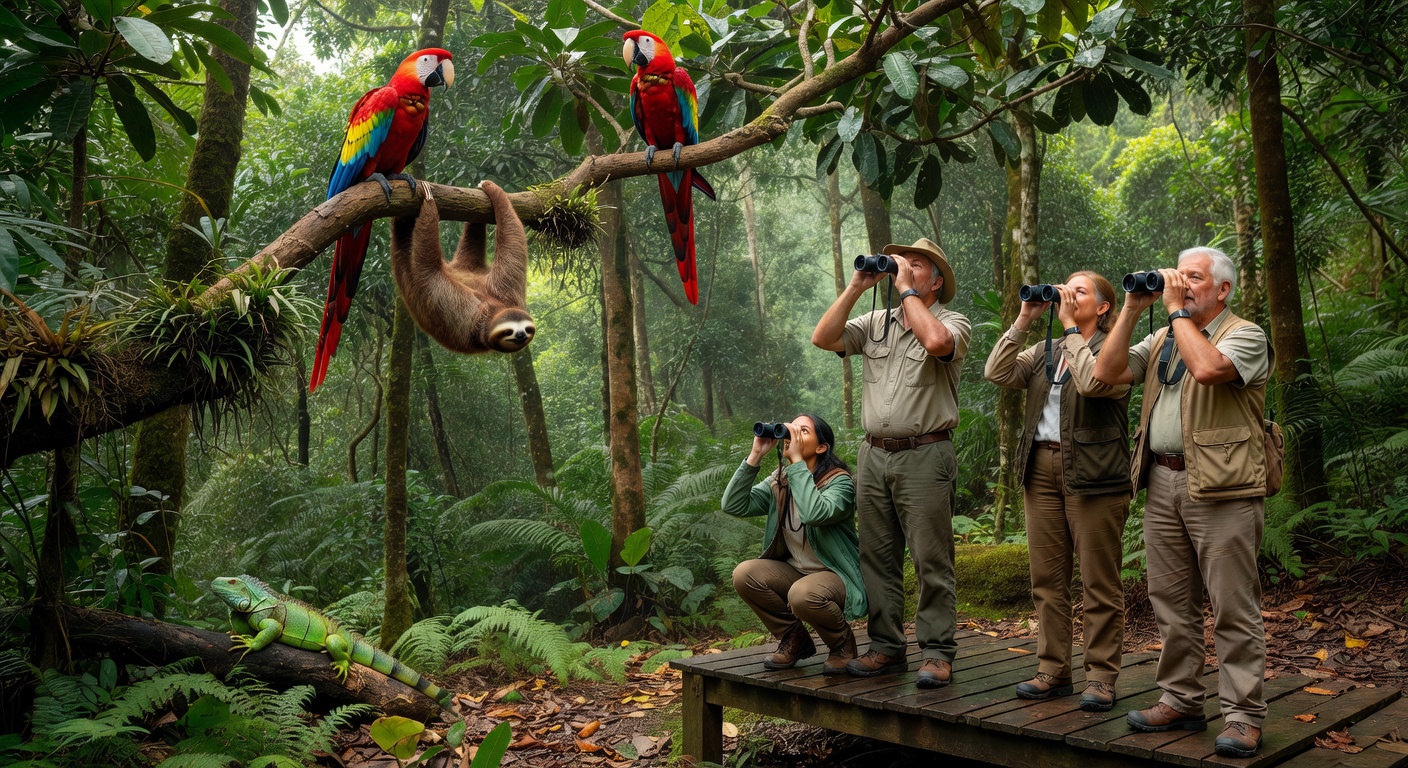
There is nothing quite like the moment a wild animal looks directly into your lens. It's an exchange — brief, asymmetric, unrepeatable — that collapses the distance between the human and the wild world in a way nothing else quite does. Wildlife photography, at its best, is the art of making that connection visible to people who will never share it in person, and in doing so, inspiring them to care about the creatures and places they see in those images.
The best wildlife photographs have directly influenced conservation policy, generated funding for endangered species programmes, and shifted public attitudes towards animals that were previously feared or dismissed. The image of the starving polar bear on a melting ice floe. The orangutan caught in a palm oil plantation fire. The mountain gorilla looking directly into the camera with an expression that mirrors our own vulnerability. These photographs changed things. They matter.
But the same passion that produces those photographs — the compulsion to get closer, to capture the definitive image, to spend another hour waiting for the perfect light — can also become the thing that causes harm. And in the age of social media, where a single photograph can generate millions of views and inspire thousands of copycat visits to the same location, the stakes have never been higher.
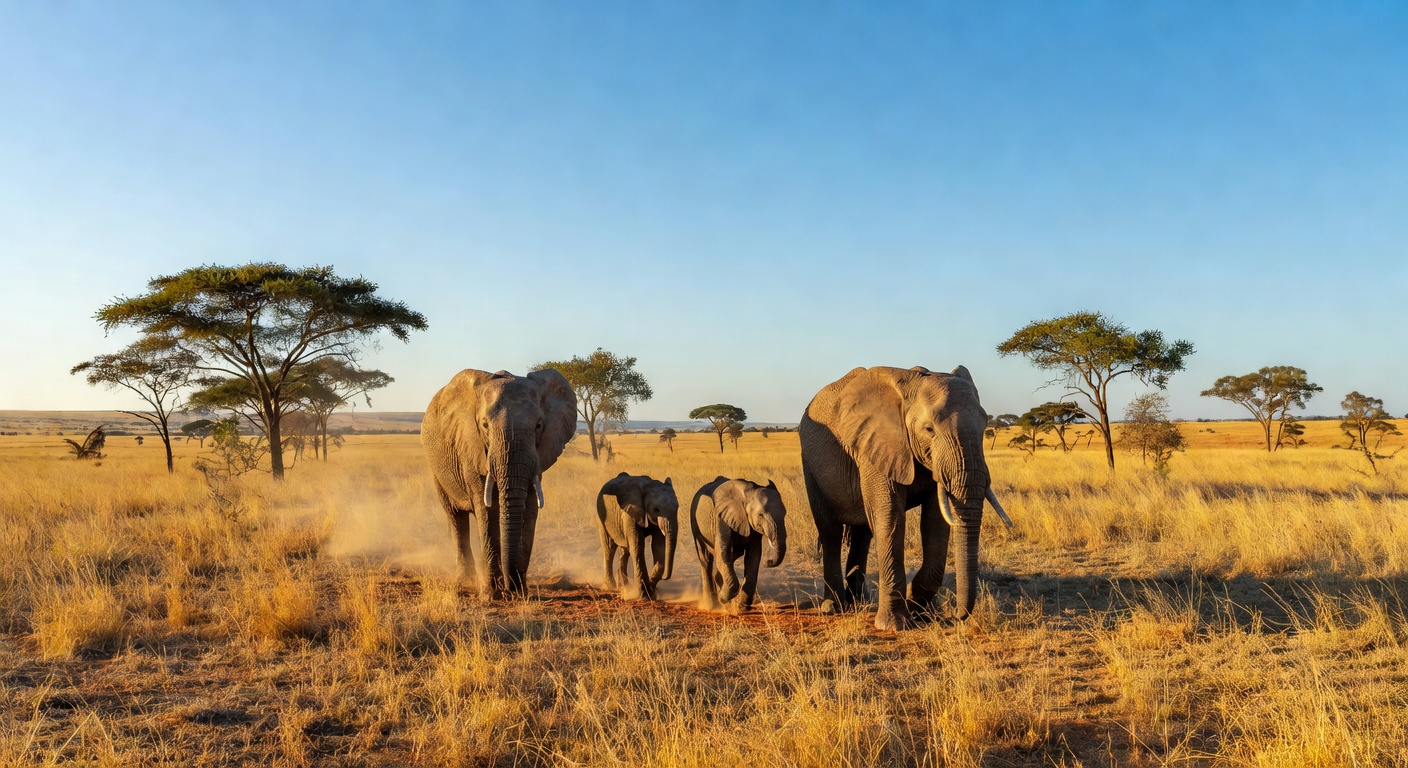
Where Ethics Come In
The core ethical problem in wildlife photography is a tension between two legitimate goods: the value of the image (and the conservation work it may inspire) and the welfare of the animal being photographed. Most of the time, these two goods are compatible. Sometimes they are not. The ethical photographer's job is to recognise the difference — and to choose the animal's welfare when they conflict.
This sounds obvious. In practice, it is genuinely difficult. The pressure of competition (another photographer is getting closer, and their images will be better), the investment of time and money in reaching a remote location, the once-in-a-lifetime quality of a particular encounter — these are powerful forces that push in the direction of justifying just a little more intrusion than is comfortable. Every professional wildlife photographer I know has yielded to that pressure at some point. Most of us regret it.
"The most important shot you'll ever take is the one you choose not to take — because getting it would have cost the animal something it cannot afford to give."
Five Principles for Ethical Wildlife Photography
These are not rules I invented. They are the accumulated wisdom of the conservation photography community, refined over decades of discussion and (often painful) experience:
The Animal's Behaviour Is Your Guide
If an animal changes its behaviour because of your presence — stops feeding, moves away, becomes agitated, shows alarm signals — you are too close. Back off immediately and give it space to settle. The distance at which an animal first reacts to your presence is called the "flight initiation distance," and it varies enormously by species, individual and context. Learning to read these signals is the single most important skill in ethical wildlife photography.
Never Bait, Feed or Lure
Using food to attract wildlife creates dependency, disrupts natural foraging behaviour, causes animals to associate humans with food rewards (with often fatal consequences — a bear that approaches humans for food is almost always eventually killed), and concentrates animals in unnatural densities that increase disease transmission. This applies equally to professional photographers using live prey to trigger predator behaviour, a practice that is now widely condemned within the professional community but still occurs.
Nesting and Denning Seasons Are Off-Limits
Disturbing animals during breeding, nesting or denning seasons can result in nest abandonment, disrupted parental behaviour, increased predation vulnerability, and in extreme cases, the death of offspring. Many species will abandon their nest entirely if disturbed in the early stages of incubation. During these periods, the minimum safe distance approximately doubles — and "safe" is defined by the animal's behaviour, not by a fixed number.
Never Disclose Precise Locations of Sensitive Species
The geotagging of wildlife photographs on social media has become one of the most significant contributors to disturbance at sensitive sites. A single viral photograph with a geotag can generate hundreds of subsequent visits to a location that previously received almost none. Nest sites, communal roosts, known denning areas, and rare or endangered species locations should never be precisely geotagged or described in enough detail for strangers to find them.
The Image Is Always Secondary to the Encounter
This is the principle I find hardest to hold to, and the one that matters most. The encounter — the animal living freely in its own world, behaving naturally, unaware of your presence or unconcerned by it — is the thing of value. The photograph is a record of that encounter. If capturing the photograph compromises the encounter, the photograph should be abandoned. A blurry image of a calm animal is worth infinitely more than a sharp image of a distressed one.
The Case Against Captive Animal Photography
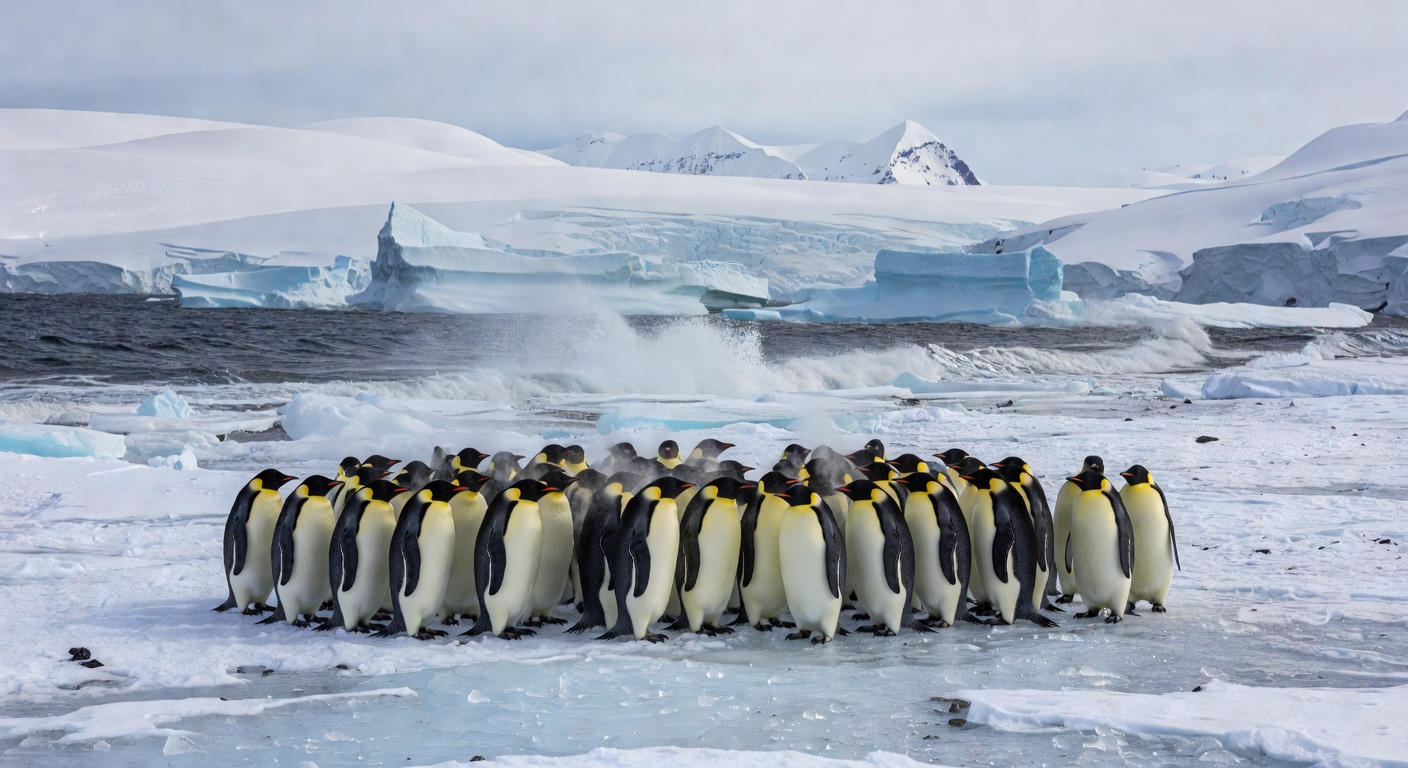
I am going to be direct here, because this subject is often treated with more diplomatic ambiguity than it deserves. The vast majority of "wildlife photography" experiences offered at tourist facilities involving captive animals — tiger temples, elephant bathing experiences, civet coffee tours, slow loris selfie opportunities, lion cub petting sessions — are exploitative operations that cause significant, documented animal suffering.
The animals involved are invariably taken from the wild (often illegally), subjected to training methods that rely on pain and fear suppression, housed in conditions that bear no relationship to their natural range requirements, and discarded when they are no longer useful for tourism purposes. The photographs that result look authentic. They are not. And by participating in them — and sharing the images — travellers signal market demand for more of the same.
The World Animal Protection organisation's wildlife selfie guidelines, the Born Free Foundation's online identification tools, and Responsible Travel's accreditation scheme all provide reliable guidance for identifying exploitative wildlife tourism before you book. Please use them.
If you can touch, ride, hold, or take a selfie with a wild animal in a tourist context, the experience is almost certainly exploitative. Genuinely wild animals do not permit close human contact. Any operation offering this experience has used methods that compromise animal welfare to make it possible.
How to Spot Ethical vs Exploitative Operators
The clearest signals that a wildlife tour operator is operating ethically:
- No touching, feeding or riding of animals under any circumstances
- Minimum distance guidelines that are enforced, not just stated
- Group sizes are limited and time at sighting sites is controlled
- Guides are trained naturalists (check for professional certification)
- The operator contributes revenue directly to conservation programmes (ask for specifics)
- They will turn away from a sighting if an animal appears stressed — and explain why
- Positive reviews from organisations like Wildlife Friendly Enterprise Network, Rainforest Alliance, or the Global Sustainable Tourism Council
The clearest signals that a wildlife tour operator is exploitative:
- Animals are chained, tethered or in enclosures clearly too small for the species
- Feeding stations are used to guarantee sightings
- Close approach is actively encouraged regardless of animal behaviour
- Captive animals are presented as "rescued" or "orphaned" without verifiable information
- Flash photography is permitted with nocturnal species
- The operator cannot explain specifically how tourism revenue benefits conservation
A Final Thought on Patience
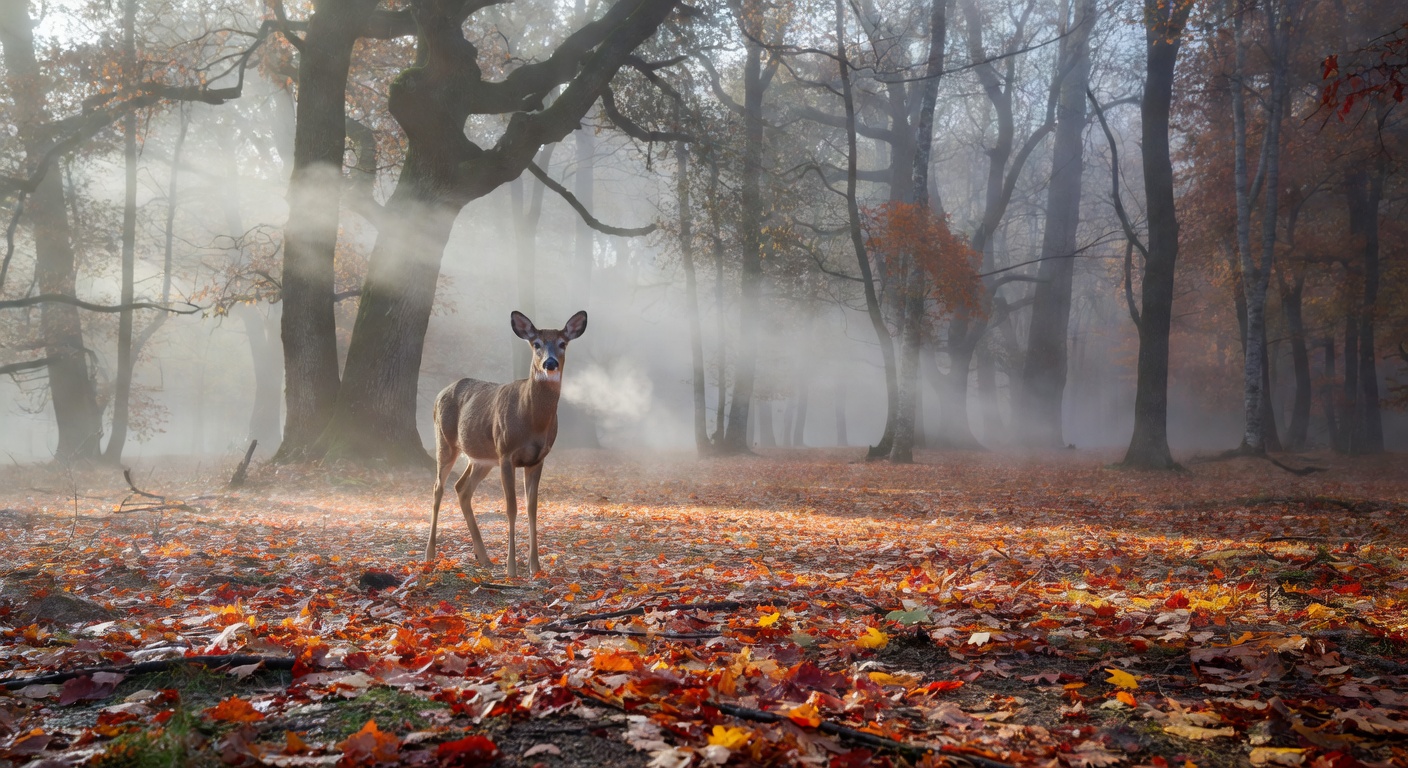
The best wildlife photographs I have taken were made by waiting. Not waiting an hour — waiting an entire day. Returning to the same location three mornings in a row. Sitting completely still in a hide for four hours while nothing happened, until something extraordinary did. This is not romantic patience; it is the cold, uncomfortable, boring reality of ethical wildlife photography done well.
The algorithm rewards the sensational. The ethical photographer rewards the real. Those two things are not always incompatible — but when they are, I have learned, over fifteen years and many mistakes, that the real is always worth more.