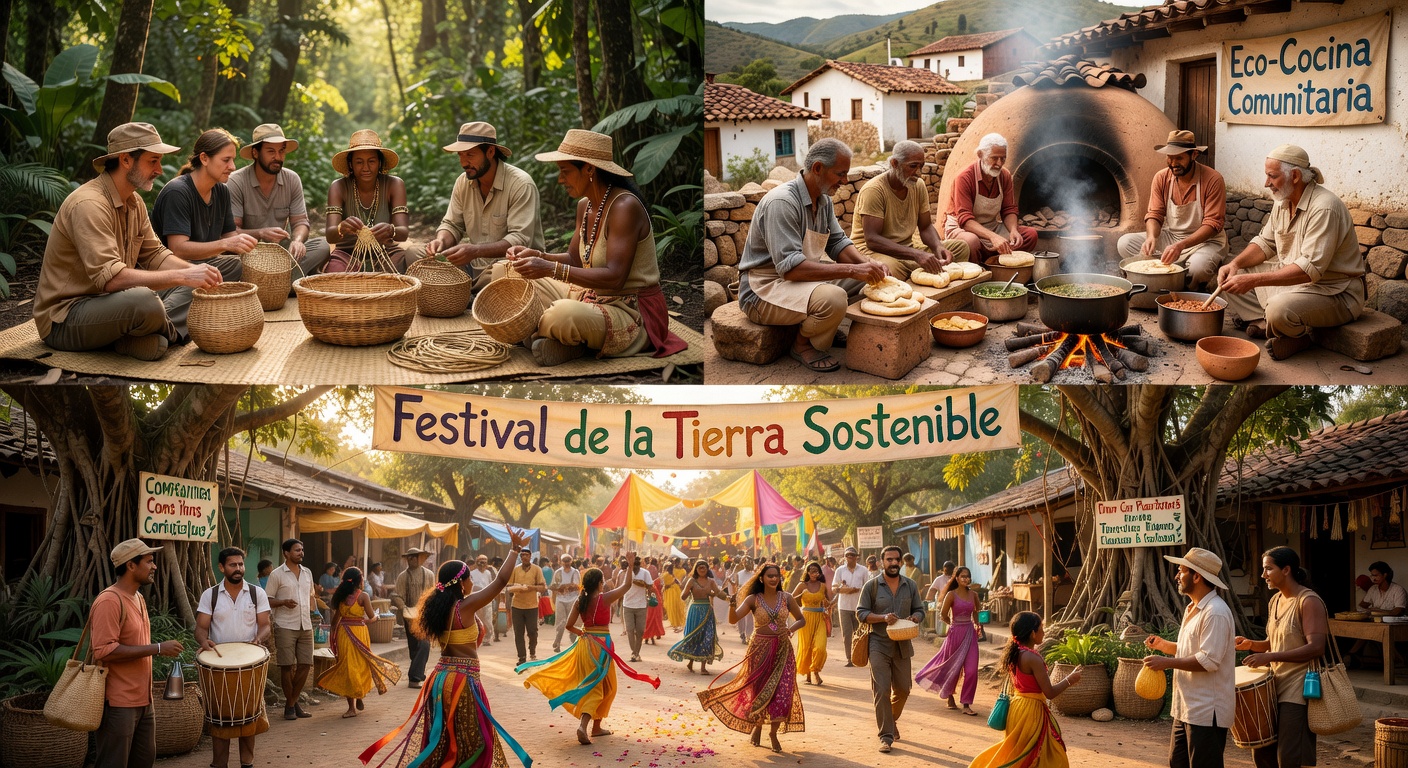
From Farm to Fork: Sustainable Eating While Traveling
Every meal you eat on the road is a choice about which farmers, ecosystems, and food traditions to support.
Every meal you eat on the road is a choice about which farmers, ecosystems, and food traditions to support.
Food is one of the most powerful vectors of connection in travel — and one of the most consequential choices for the environments and communities you visit. What you eat, where you eat it, and who you buy it from shapes local agricultural economies, influences land-use decisions, and determines whether the food culture you're experiencing will survive for the next generation of travelers to discover. Eating sustainably on the road isn't about restriction; it's about richness — the richness of eating food that was grown within sight of where you're sitting, by people whose names you can know.
Food production and supply chains account for roughly 26% of global greenhouse gas emissions. When travelers choose locally produced, seasonal food over imported goods, they can reduce their food-related travel footprint by up to 60% while keeping significantly more money in local economies.
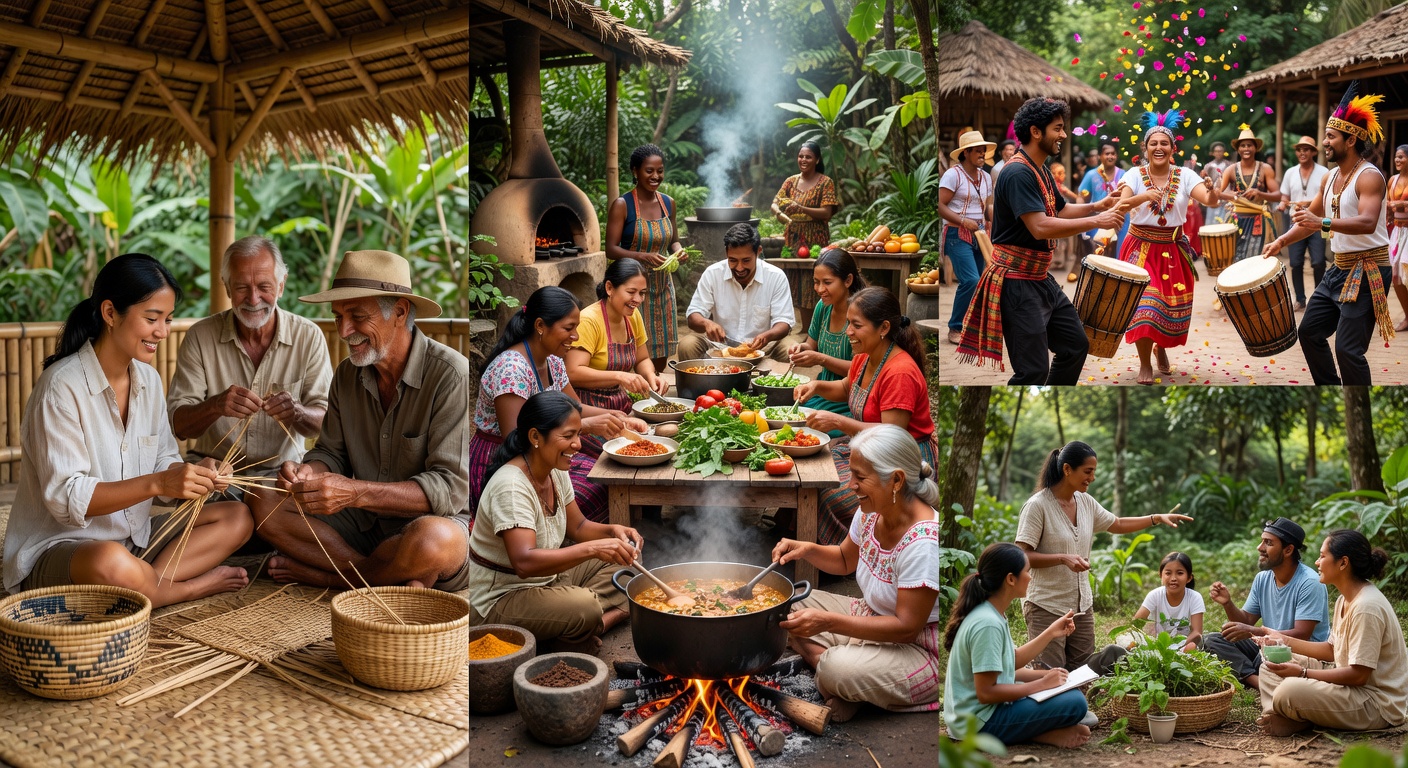
In many eco-tourism destinations, the restaurant that looks most "sustainable" — with its rustic wooden decor and artfully plated portions — may be sourcing ingredients flown in from overseas to satisfy international palates. Meanwhile, the market stall around the corner, operated by a multigenerational family, sells produce harvested this morning from a farm visible on the hillside.
Sustainable food travel requires looking past aesthetics to supply chain realities. It means asking where the fish came from, whether the coffee is certified fair-trade, and if the rice on your plate was grown in the valley below or imported from a distant industrial farm. These questions, asked with curiosity rather than suspicion, create the conversations that build genuine travel connections.
The global shift toward conscious food tourism has made these conversations easier than ever. Chefs, farmers, and market vendors who practice genuine sustainability are increasingly proud to share their stories — and those stories are among the most nourishing experiences travel can offer.
These principles form a practical framework for making consistently thoughtful food choices throughout any journey.
Seasonal, local food requires no refrigerated shipping, minimal cold-chain infrastructure, and is almost always more nutritious and flavorful than imported equivalents. Ask hosts and guides what's currently in season — their answers often reveal the most authentic eating experiences a destination has to offer, and the produce will always be superior.
Small restaurants, food stalls, and family operations retain the vast majority of revenue within the local economy, versus international chains that extract profits offshore. They are also far more likely to use local suppliers and traditional recipes that preserve cultural food heritage. Look for places where the menu is handwritten and the kitchen is visible.
Beef and lamb production generates 20–100 times more greenhouse gas per gram of protein than plant-based alternatives. Reducing meat consumption during travel — even by 50% — significantly reduces your food-related environmental footprint. Many cuisines from bio-diverse regions (Southeast Asia, the Mediterranean, the Amazon basin) offer naturally plant-forward dishes of extraordinary complexity and flavor.
Coastal eco-tourism destinations often sit within marine ecosystems under severe fishing pressure. Look for restaurants displaying MSC (Marine Stewardship Council) certification, or ask which species are locally caught and in season. Avoid reef fish, shark fin, sea turtles, and anything caught by bottom trawling, which devastates seafloor habitats.
Local markets are the most efficient mechanism for putting your food spending directly in the hands of producers. A dollar spent at a farmers' market circulates through the local economy an average of 3–7 times before leaving the community, compared to 1–2 times for supermarket spending. Markets are also the best education in what's genuinely local and seasonal.
In destinations with limited composting or organic waste processing, food waste often ends up in landfill, generating methane. Order what you'll eat, share dishes where portions are large, and ask restaurants if they can wrap leftovers in your own container. Many eco-lodge kitchens will happily prepare a picnic-sized portion of breakfast for an early hike rather than seeing food discarded.
In many eco-tourism destinations, women are the primary food producers and preparers, yet receive disproportionately little economic benefit from tourism. Actively seeking out women-led food stalls, cooperatives, and restaurants — particularly in rural areas — directs economic empowerment where it creates the most household and community impact.
Coffee and tea are among the most globally traded commodities, yet producers in growing regions often receive a tiny fraction of the retail price. Fair-trade certification guarantees minimum pricing, safe working conditions, and community development funds. When visiting coffee-growing regions, seek out direct-trade operations where you can meet the producers whose labour you're enjoying.
Street food and market eating — the most authentic and economically beneficial form of food tourism — often comes with plastic packaging and disposable cutlery. Carrying your own bamboo cutlery set and a lightweight container eliminates this waste without compromising the eating experience. Many vendors actively appreciate customers who come prepared with their own packaging.
Participating in a cooking class with a local chef or community kitchen teacher is among the highest-impact single food experiences available to travelers. It creates direct income for a skilled community member, teaches you about local ingredients and cultivation practices, builds a skill you carry home, and deepens your understanding of a culture's relationship with its land in ways no restaurant visit can achieve.
The most nourishing travel experiences happen at the intersection of food, culture, and community.
Every traditional cuisine is a direct expression of the ecology from which it emerged. The spices used in a Thai forest village curry reflect the medicinal plants of that specific forest. The fermentation techniques of an Andean community encode generations of food preservation knowledge developed at high altitude. The three-sisters planting of Indigenous North American traditions — corn, beans, squash — is an entire agricultural philosophy compressed into a meal.
Eating local, traditional food doesn't just reduce environmental impact — it actively preserves cultural and agricultural biodiversity. Many traditional crop varieties and cooking techniques exist only because they remain part of living food culture. When travelers seek them out and pay for them, they provide economic incentive for their continuation.
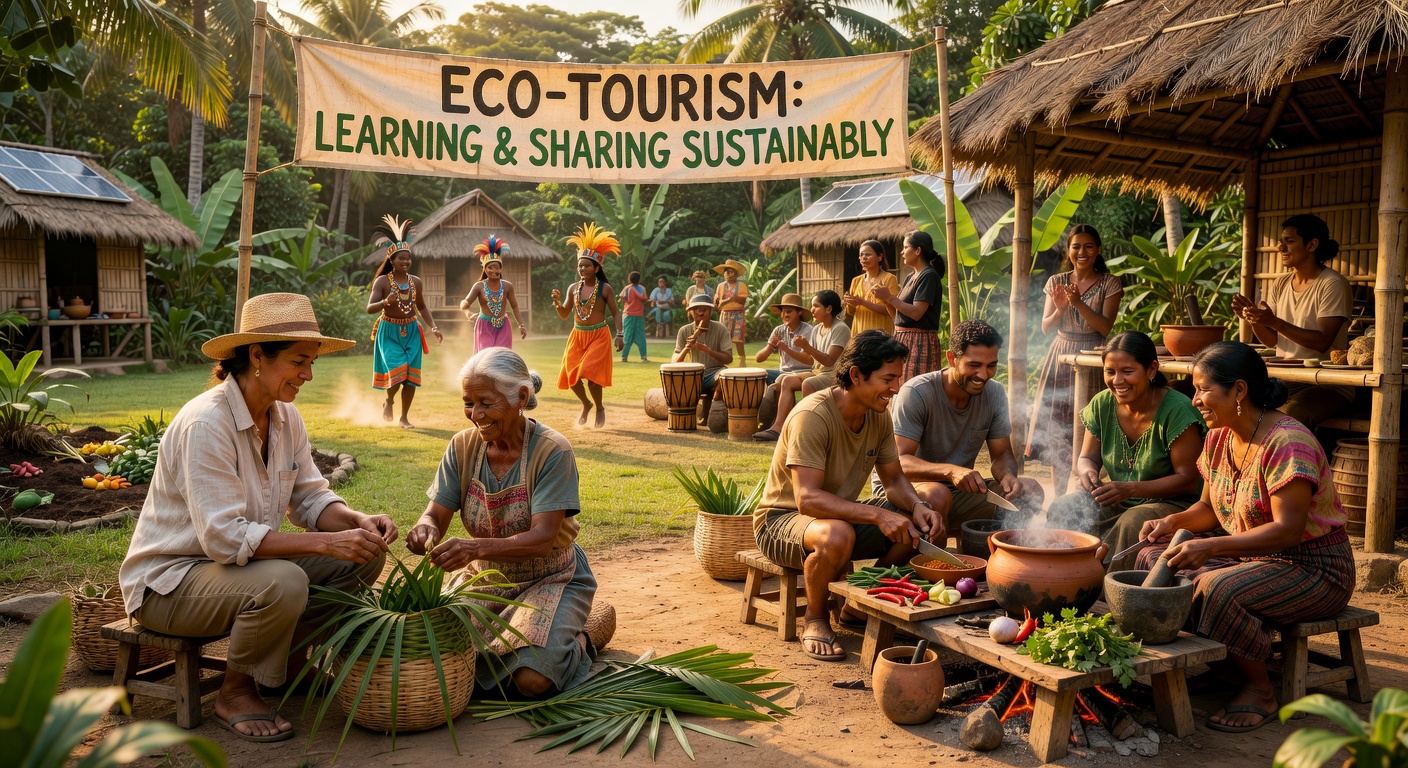
Six practical signals that distinguish genuinely sustainable restaurants from those simply using the language of sustainability as marketing.
A menu that changes regularly — weekly or even daily — signals genuine commitment to seasonal, local sourcing. Static year-round menus indicate imported ingredients regardless of availability. Ask when the menu last changed.
"Organic valley herbs from the Morales family farm, 12km north" is the gold standard. Named suppliers indicate verifiable, direct relationships and reflect pride in those partnerships rather than anonymous commodity sourcing.
Look for composting stations, separated recycling, and the absence of single-use plastics throughout the operation. Ask what happens to food scraps — are they composted on-site, returned to farms, or sent to landfill?
In genuinely sustainable restaurants, front-of-house staff are trained to answer questions about provenance and sourcing. Vague or evasive answers to "where is this fish from?" are a reliable red flag for greenwashing.
Look for recognition from programs like the Michelin Green Star, Slow Food Presidia, or national organic certification programs. These third-party endorsements require documented evidence, unlike self-declared sustainability claims.
Sustainable restaurants typically feature vegetables and legumes as central menu items rather than garnishes. Plant-forward menus reflect both ecological intention and culinary creativity — the best are among the most exciting dining experiences available.
Plant-based eating isn't just an ethical choice — it's the single most impactful dietary change any traveler can make for the environment. Shifting just one meal per day from animal products to plant-based alternatives produces measurable reductions in greenhouse gas emissions, water use, and land impact. Many of the world's most extraordinary culinary traditions are naturally plant-forward.
From the dhal and sabzi of South Asian cuisine to the meze traditions of the Eastern Mediterranean, from Ethiopian injera with misir to the taco de hongos of Mexican street food, plant-based eating aligns seamlessly with authentic, traditional cooking across most of the world's great food cultures. Travel offers the perfect opportunity to explore these traditions without compromise.
Less greenhouse gas from plant-based meals vs. beef-based equivalents
Less land required to produce the same protein from legumes vs. beef
Of traditional cuisines worldwide have rich naturally plant-based traditions
The farm, the market, and the community garden are where sustainable food travel becomes lived experience rather than abstract principle.
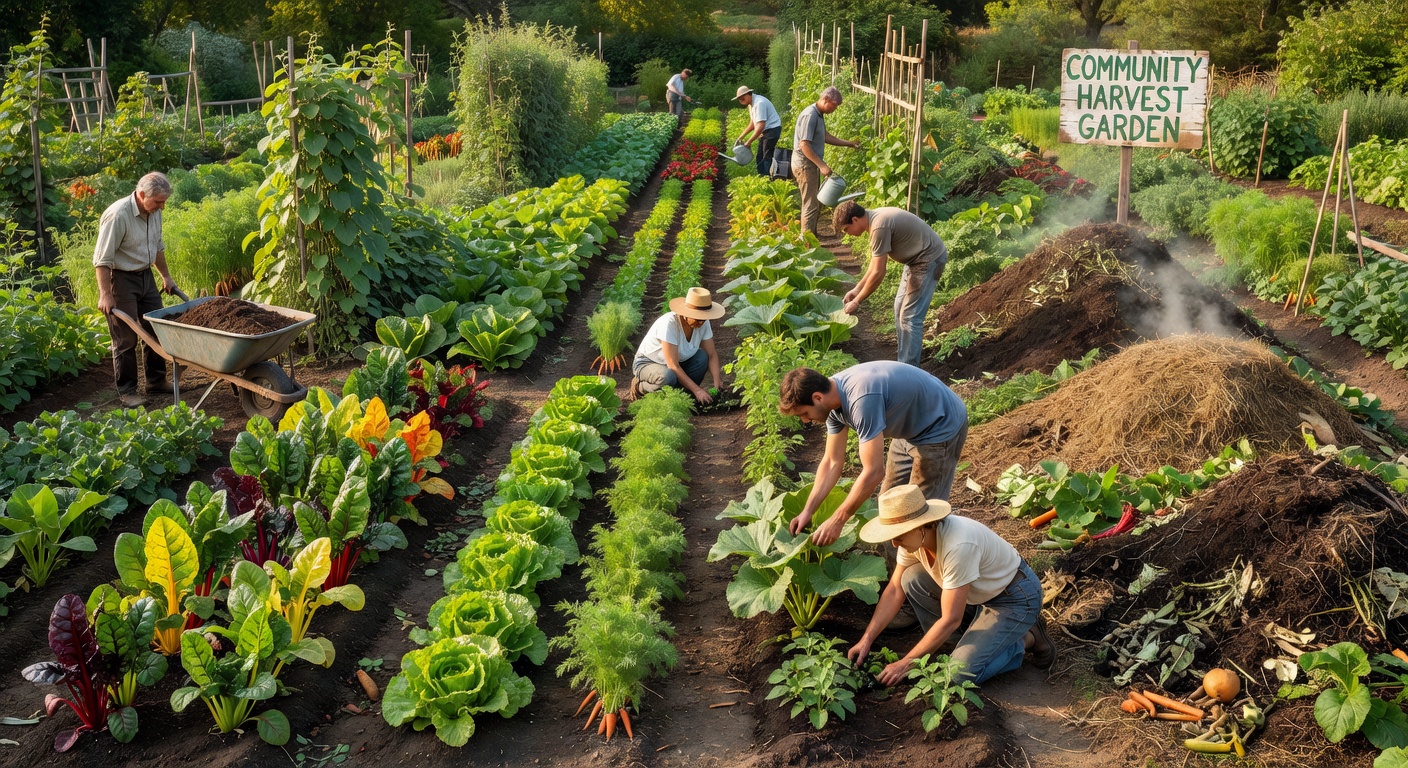
Many eco-tourism destinations have community gardens open to visitors. A morning spent weeding, harvesting, or learning composting techniques alongside local growers provides unparalleled insight into the agricultural ecology of a place — and often ends with the best meal of your trip.
The best produce — and the most direct access to producers — is found in the first hour of opening. Arrive early, come with a bag, and budget more than you expect: buying generously from local farmers is one of the most direct forms of community support available to travelers.
Apps like Eatwith, Farm to Fork Finder, and LocalHarvest help travelers locate farm dinners, community-supported agriculture box pickups, and producer-direct markets in destinations worldwide. Many connect you to experiences not marketed through conventional tourism channels.
Working farm visits — harvesting coffee in Costa Rica, picking olives in Crete, or learning rice cultivation in the Philippines — connect the food on your plate to the land and labour that produced it in visceral, unforgettable ways. These experiences are increasingly available through local eco-tourism operators and community cooperatives.
Farmers and market vendors often have extraordinary knowledge about their local ecosystem, traditional cultivation techniques, and the challenges facing their community. Genuine curiosity and respectful questions open conversations that enrich both parties — and frequently lead to the most authentic experiences of any journey.