At the southernmost tip of South America, where the Andes plunge into the Southern Ocean and the wind blows with a force that can knock you off your feet, Patagonia unfolds as one of Earth's last great wildernesses. This vast, raw, wind-scoured region — shared between Chile and Argentina across approximately 1 million square kilometres — is a landscape of superlatives: the largest ice field outside the polar regions, the second largest national park on Earth, and some of the most dramatic hiking terrain anywhere on the planet.
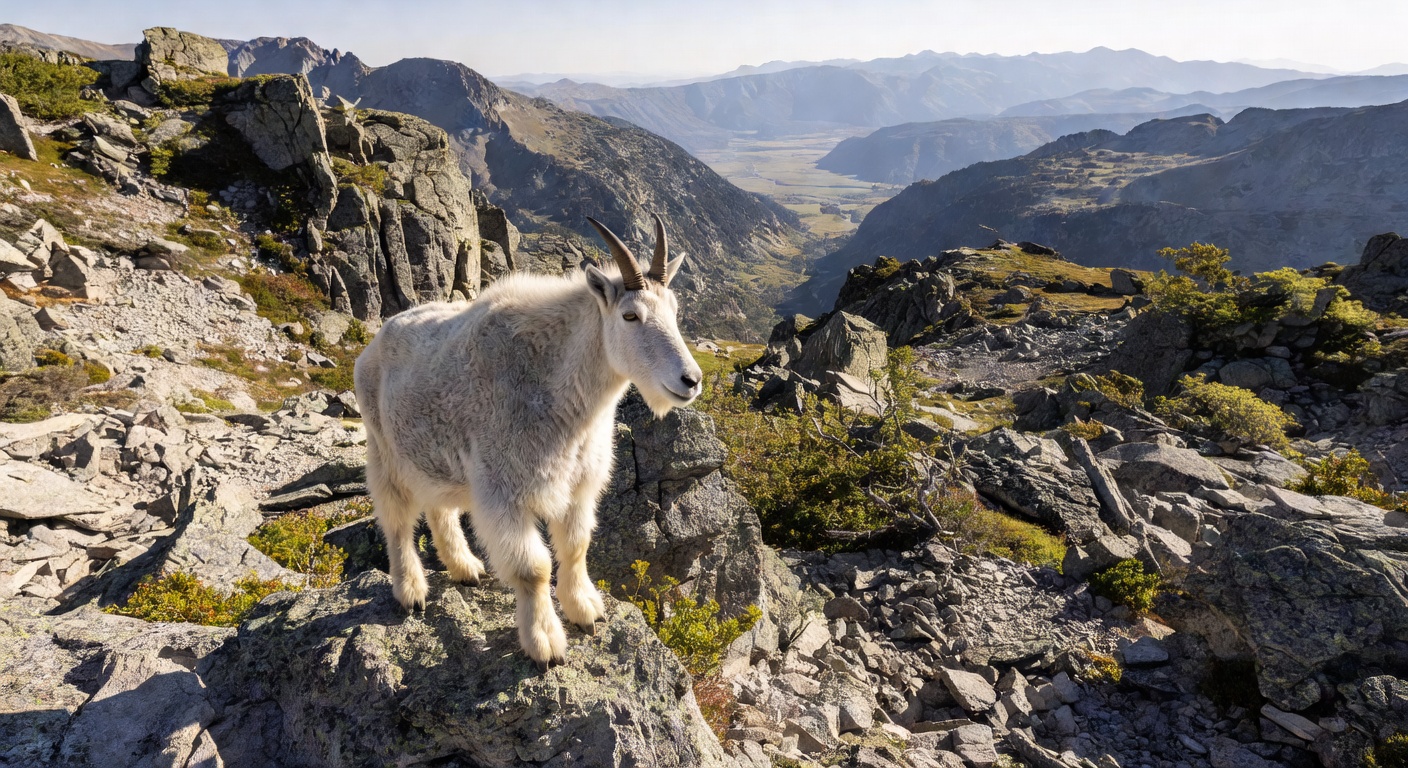
Patagonia's name conjures images of granite spires piercing a turquoise sky, copper-coloured guanacos racing across the steppe, condors riding thermals above glacier-fed lakes, and the grinding, calving roar of the Perito Moreno glacier advancing slowly into Lago Argentino. This is a place that challenges and humbles in equal measure — where a clear morning can become a horizontal sleet-storm within minutes, and where the sheer scale of everything makes human concerns seem wonderfully small.
Both Chile and Argentina have invested heavily in protecting Patagonia's natural heritage. The establishment of Tompkins Conservation's parks — Patagonia National Park and Pumalín Park in Chile — has created one of the world's largest private land conservation efforts. Eco-tourism here is both an economic lifeline for remote communities and a direct funding mechanism for continued conservation.
Conservation Legacy: Doug and Kris Tompkins (founders of The North Face and Patagonia clothing brands) spent decades purchasing and rewilding land in Chilean Patagonia. Their work, continued by Tompkins Conservation, has transferred millions of hectares to Chile's national park system — one of the most remarkable private conservation achievements in history.
Key Destinations
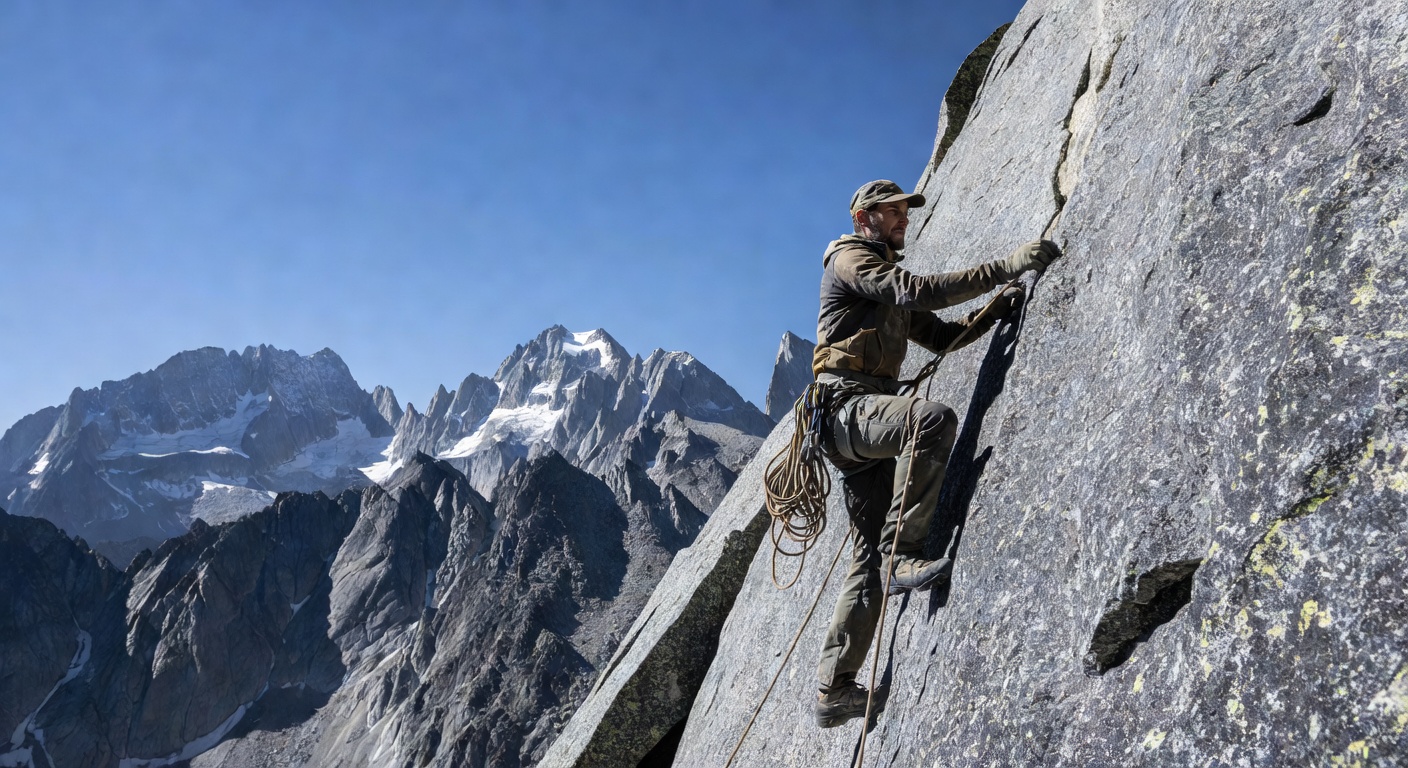
Torres del Paine National Park, Chile
One of the world's great national parks, Torres del Paine protects 2,400 square kilometres of extraordinary wilderness in Chilean Patagonia. The park takes its name from the three granite towers (torres) that erupt 2,800 metres above the surrounding landscape — the defining image of Patagonia that has inspired generations of adventurers. The iconic W Trek (4-5 days) and the full Circuit (8-10 days) are among the world's finest multi-day walks. The park enforces strict Leave No Trace rules: campfires are banned (a devastating fire in 2011 that burned 17,000 hectares remains a painful reminder), and campsites must be pre-booked months in advance during peak season (December-February).
Los Glaciares National Park, Argentina
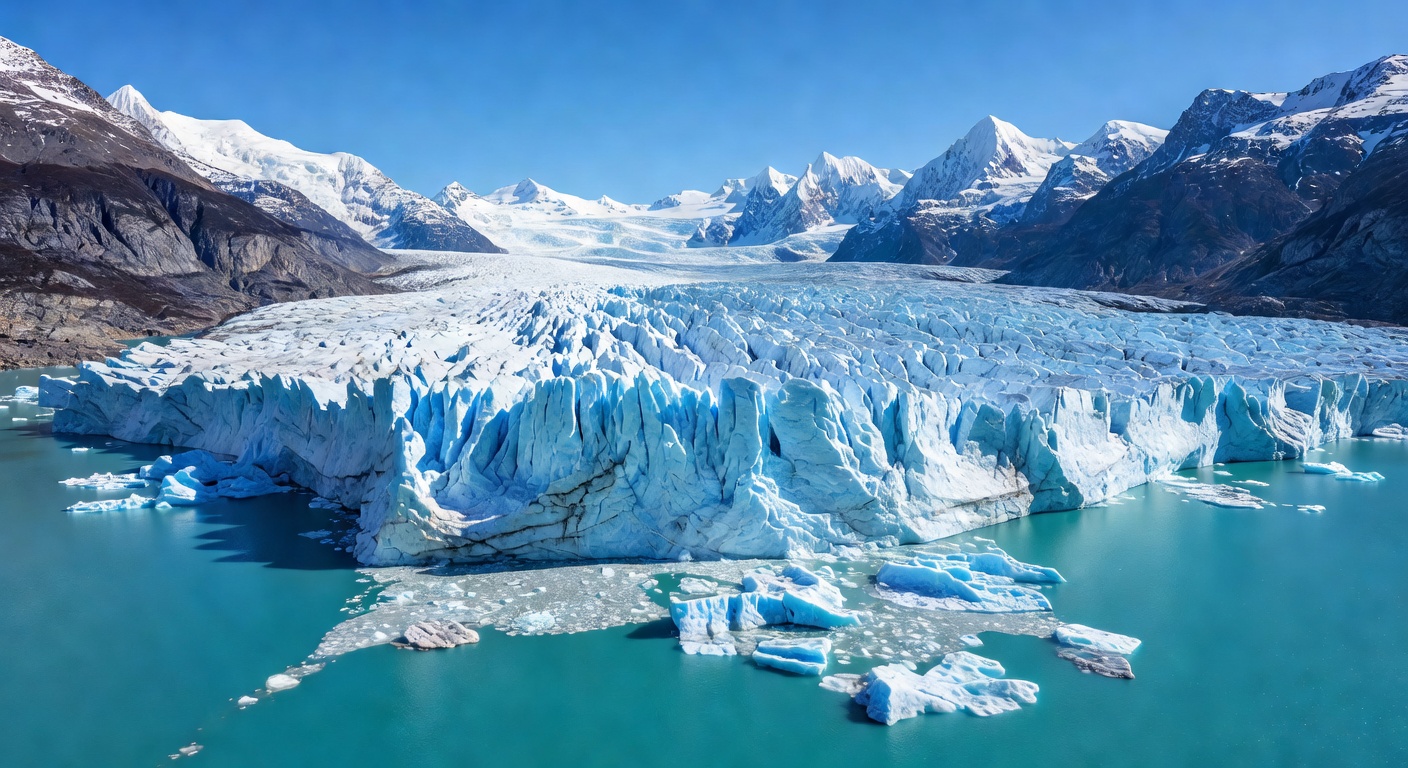
A UNESCO World Heritage Site protecting the Southern Patagonian Ice Field — the largest temperate ice cap on Earth outside Antarctica and Greenland. The Perito Moreno glacier, 30 kilometres long and 5 kilometres wide, is one of the few glaciers in the world that is not retreating — it advances at approximately 2 metres per day and periodically ruptures in dramatic calving events audible for kilometres. El Chaltén, at the base of Mount Fitz Roy, is Argentina's trekking capital and the base for legendary routes up the Fitz Roy and Cerro Torre massifs.
Carretera Austral, Chile
Chile's Ruta 7 — the "Southern Highway" — stretches 1,240 kilometres through Chilean Patagonia, connecting Puerto Montt to Villa O'Higgins through some of the most remote and spectacular scenery on Earth. The road passes thermal springs, hanging glaciers, ancient alerce forests (some trees over 3,000 years old), and tiny fishing villages accessible only by ferry. Road-cycling and overlanding the Carretera Austral is considered one of the world's great adventure journeys — but requires significant self-sufficiency skills and meticulous Leave No Trace practice.
Tierra del Fuego
The "Land of Fire" at the very tip of South America is a landscape of wind-blasted lenga beech forest, glacial channels, and a sky that seems to contain the entire emotional range of weather in a single afternoon. Ushuaia, the world's southernmost city, is the gateway to Antarctica cruises and to Tierra del Fuego National Park. The park's interior harbours beaver populations (an introduced species causing significant ecological damage) and extraordinary sub-Antarctic flora. Stay in locally owned eco-lodges and take guided walks with Yamana indigenous cultural interpreters.
Hiking & Trekking
The W Trek
The classic Torres del Paine route visiting the three towers, the French Valley, and the Grey Glacier. Must be pre-booked months in advance. Stay in refugios or camp.
Fitz Roy Circuit
Day-hikes from El Chaltén to Laguna de los Tres and Laguna Torre offer stunning views of Fitz Roy and Cerro Torre's technical granite needles.
Full Torres Circuit
The full loop around the Paine massif including the remote back side — a true wilderness immersion with demanding terrain and unpredictable weather.
Perito Moreno Glacier Walk
Strap on crampons and walk across the ancient ice with certified guides from Hielo y Aventura — one of Patagonia's most extraordinary experiences.