Borneo is the third-largest island on Earth, and one of only two places in the world — along with Sumatra — where you can find orangutans living wild in the forest. But this extraordinary island's conservation significance extends far beyond its most famous resident. At an estimated 140 million years old, Borneo's rainforest is one of the most ancient and biodiverse ecosystems on the planet — pre-dating the Amazon by over 100 million years, and home to species found absolutely nowhere else.
Divided among three nations — Malaysia (Sabah and Sarawak), Indonesia (Kalimantan), and the tiny sovereign state of Brunei — Borneo presents the eco-traveller with an extraordinary range of environments: the moss-draped montane forests of Mount Kinabalu, the flooded oxbow lakes of the Kinabatangan floodplain, the trackless primary dipterocarp forest of the Danum Valley, and the astonishing coral gardens of Sipadan Island, widely considered one of the top ten dive sites on Earth.
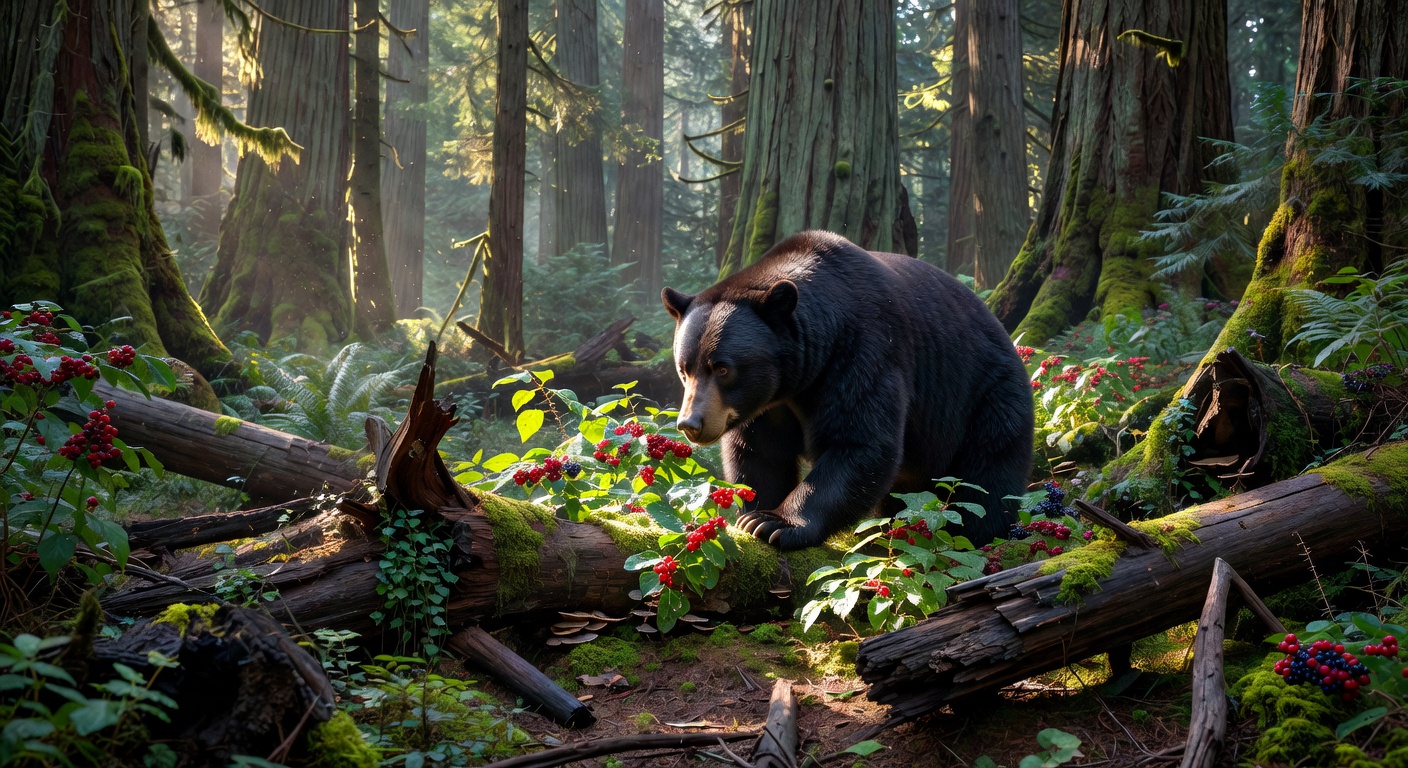
Travelling here responsibly is not optional — it is essential. Borneo's forests have suffered devastating losses to palm oil plantations and logging over recent decades. Every conservation-conscious visitor who chooses certified eco-lodges, supports wildlife rehabilitation centres, and avoids uncertified wildlife encounters makes a tangible difference to the survival of these irreplaceable habitats.
Ancient Forest Fact: Borneo's lowland rainforest is estimated to be 140 million years old — it survived ice ages that reduced other tropical forests to tiny refugia, and contains species found nowhere else on Earth. A single hectare can contain more tree species than all of North America combined.
Wildlife of Borneo
Borneo hosts an unparalleled concentration of endemic species — animals that exist nowhere else on Earth. The island is home to at least 222 mammal species, 420 birds, 100 amphibians, and over 15,000 plant species. New species are still being discovered regularly, including a new species of orangutan — the Tapanuli orangutan — identified in 2017, making it the most recently discovered great ape species.
Bornean Orangutan
Critically endangered, with only around 100,000 remaining in the wild. See them at Sepilok Rehabilitation Centre or on guided river cruises in the Kinabatangan.
Pygmy Elephant
The world's smallest elephant subspecies — gentle, roly-poly, and utterly captivating. Best spotted on night river safaris along the Kinabatangan River.
Proboscis Monkey
Endemic to Borneo and unmistakable with their extraordinary pendulous noses, these monkeys congregate near rivers at dusk for spectacular wildlife viewing.
Rhinoceros Hornbill
The state bird of Sarawak, the rhinoceros hornbill is an icon of Borneo's forests and a key seed disperser. Look for them soaring above the rainforest canopy.

Key Eco Destinations
Danum Valley Conservation Area
Often called Borneo's crown jewel, Danum Valley protects 438 square kilometres of undisturbed primary lowland dipterocarp rainforest in Sabah, Malaysia. Access is strictly controlled — only guests of the Borneo Rainforest Lodge and accredited researchers may enter. Night drives reveal civets, pangolins, slow lorises (now strictly protected), and a spectacular diversity of insects. The 52-metre-high canopy walkway offers a monkey's-eye view of one of the world's great forest ecosystems.
Kinabatangan River
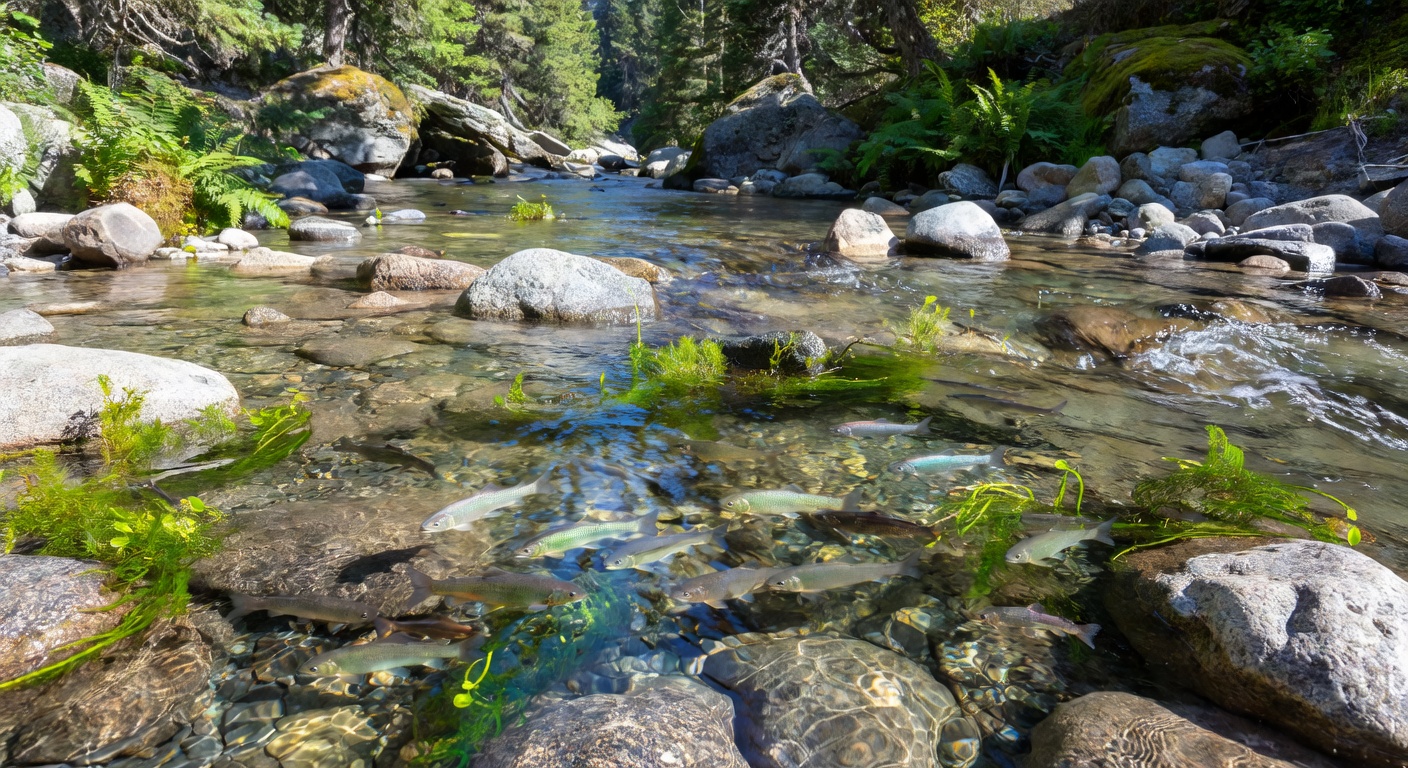
The Kinabatangan is Malaysia's longest river and one of the world's finest wildlife-watching rivers. The floodplains and oxbow lakes support extraordinary concentrations of mammals and birds: pygmy elephants, orangutans, proboscis monkeys, all eight of Borneo's hornbill species, and the rare Storm's stork. Stay at a certified eco-lodge (look for the MESCOT or Green Globe certification) and take river safaris at dawn and dusk for maximum wildlife encounters.
Mount Kinabalu & Kinabalu National Park
At 4,095 metres, Mount Kinabalu is the highest peak in Southeast Asia and a UNESCO World Heritage Site. The mountain's extraordinary altitudinal range supports a staggering diversity of plant life: over 5,000 species of plants, 326 bird species, and over 100 mammal species. The two-day summit climb requires advance booking and a local guide. For those who prefer gentler exploration, the Botanical Garden at Park HQ displays pitcher plants, orchids, and rhododendrons in extraordinary variety.
Sipadan Island
Malaysia's only oceanic island, Sipadan rises from 600 metres of water to the surface, and its walls are encrusted with some of the richest coral growth in Asia. Dive with schools of thousands of bumphead parrotfish, hawksbill turtles nesting on the beach, hammerhead sharks patrolling the blue, and the legendary "tornado" of barracuda. Only 120 diving permits are issued per day, making advance booking months ahead essential and helping protect this extraordinary marine environment.