Lush Costa Rican rainforest with vibrant tropical foliage

Costa Rica

The Birthplace of Eco-Tourism

🍃🍃🍃🍃🍃 Eco Rating 🌎 Central America 📅 Best: Dec–Apr 🌡️ 22–28°C

Where Biodiversity Reigns Supreme

Costa Rica is a nation that has staked its identity — and its economy — on the health of its natural world. Despite covering just 0.03% of Earth's surface, this small Central American country harbors approximately 5% of all known species on the planet. That extraordinary concentration of life is no accident: it's the result of decades of deliberate conservation policy, a committed local population, and a tourism model that puts nature first.

In 1987, Costa Rica pioneered the concept of certified eco-tourism with its "Certificación para la Sostenibilidad Turística" (CST) program — the world's first national certification system for sustainable tourism. Today, over 25% of its territory is protected in an interlocking network of national parks, biological reserves, and wildlife refuges, making it one of the most protected nations on Earth.

5%

of Earth's Biodiversity

25%+

Protected Land Area

900+

Bird Species

A Living Laboratory of Evolution

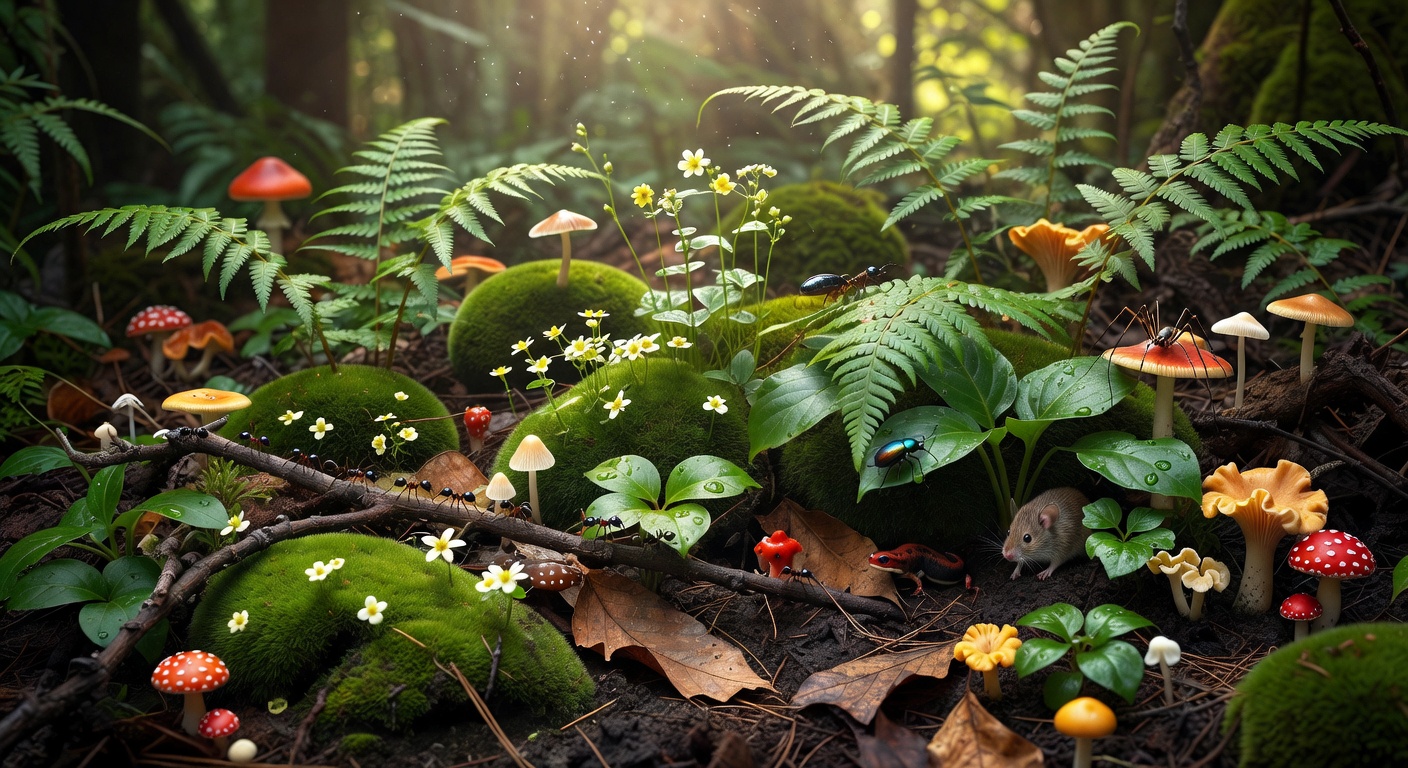
Costa Rica sits at the convergence of two continents and two oceans, making it a biological bridge for species from both North and South America. The result is a staggering mosaic of ecosystems packed into a country smaller than West Virginia: misty cloud forests, dry tropical forests, Caribbean lowlands, Pacific coastlines, mangrove estuaries, and volcanic highlands each harbor their own distinct communities of plants and animals.

Visitors come for the iconic species — resplendent quetzals, scarlet macaws, poison dart frogs, three-toed sloths, and white-faced capuchin monkeys — but what makes Costa Rica truly special is the sheer density of life at every scale, from the smallest orchid to the tallest strangler fig, from army ant columns to nesting leatherback sea turtles.

Top Eco Spots in Costa Rica

From cloud-shrouded volcanoes to turtle nesting beaches, these are Costa Rica's most extraordinary natural destinations.

Howler monkey in the forest canopy

Monteverde Cloud Forest

Perched at 1,400m altitude, Monteverde is one of the world's most biologically diverse cloud forests. Perpetual mist feeds extraordinary concentrations of orchids, bromeliads, and the legendary resplendent quetzal. The reserve is privately owned and community-managed — a model for conservation-through-tourism funding.

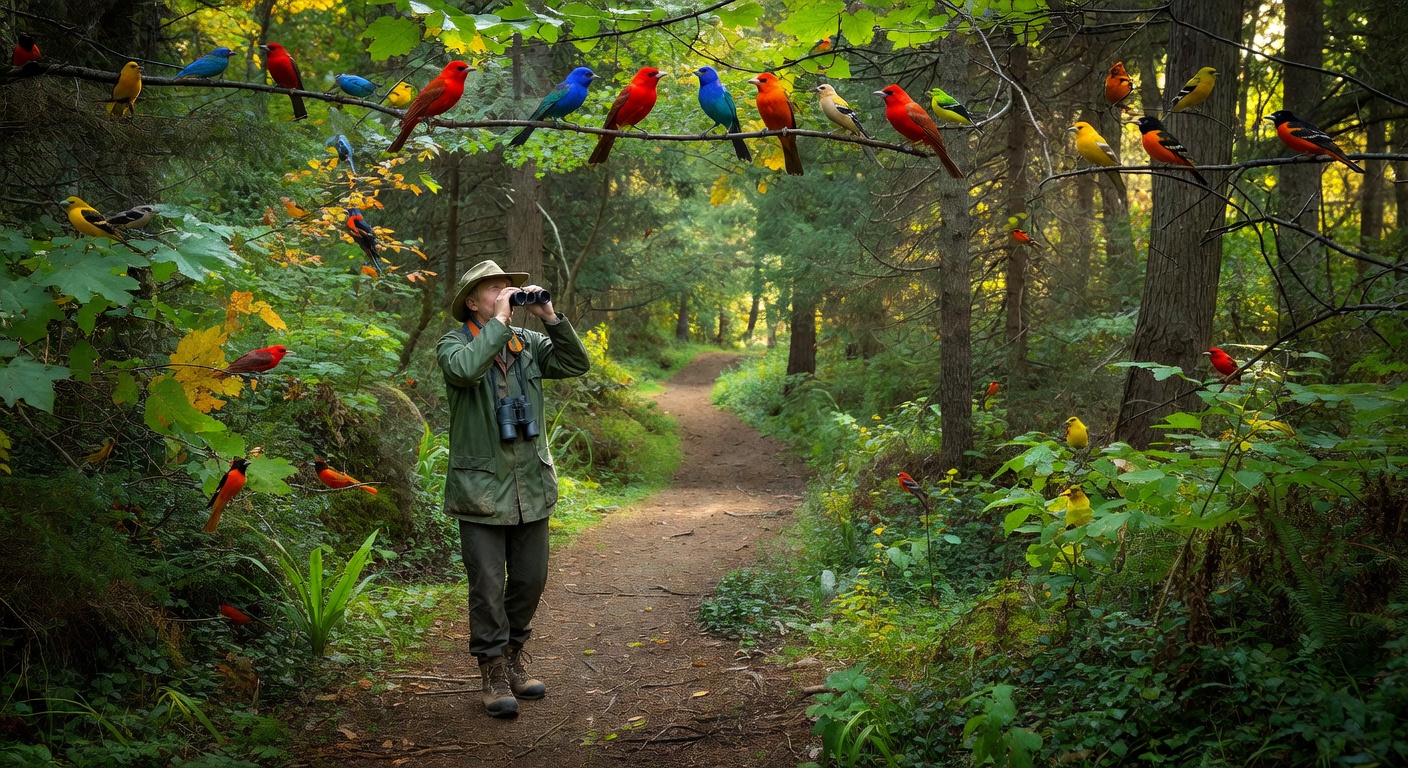
Tropical bird watching in Costa Rican forest

Manuel Antonio National Park

Costa Rica's most visited park for good reason — Manuel Antonio offers white-sand beaches, coral reefs, and dense primary forest, all within hiking distance of each other. Spot capuchin monkeys, three-toed sloths, and coatis right on the trail, while sea turtles nest on the beaches below.

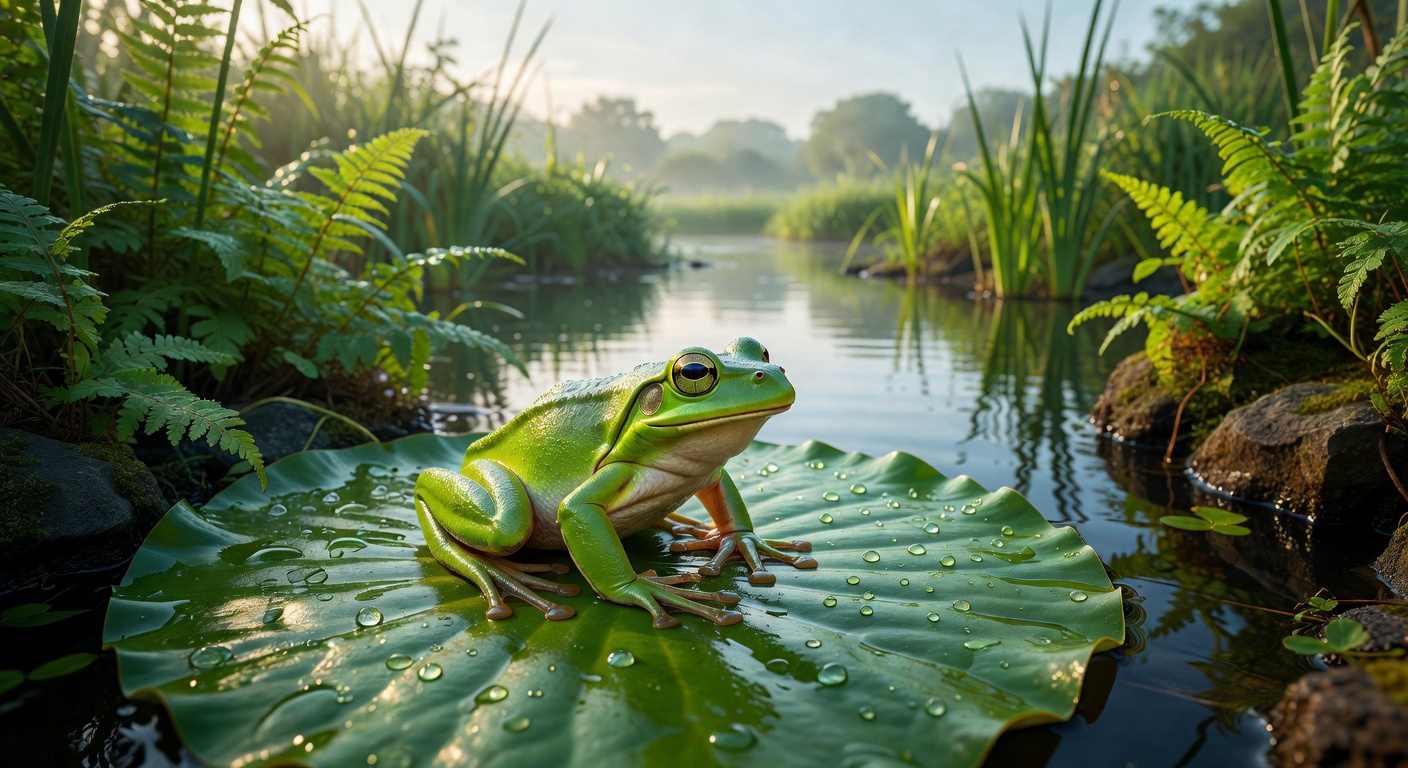
Vibrant red-eyed tree frog on leaf in Costa Rica

Tortuguero National Park

Accessible only by boat or small plane, Tortuguero's labyrinthine canal system winds through one of the most biodiverse lowland rainforests in the Americas. This is where green sea turtles return each year to nest on the same beaches where they were born, in one of nature's most ancient rituals.

Vibrant wildflowers blooming in Costa Rican rainforest

Corcovado National Park

National Geographic called it "the most biologically intense place on Earth." Corcovado on the Osa Peninsula is home to all four of Costa Rica's monkey species, the largest population of scarlet macaws in Central America, Baird's tapirs, and American crocodiles. Access is tightly managed to protect this irreplaceable wilderness.

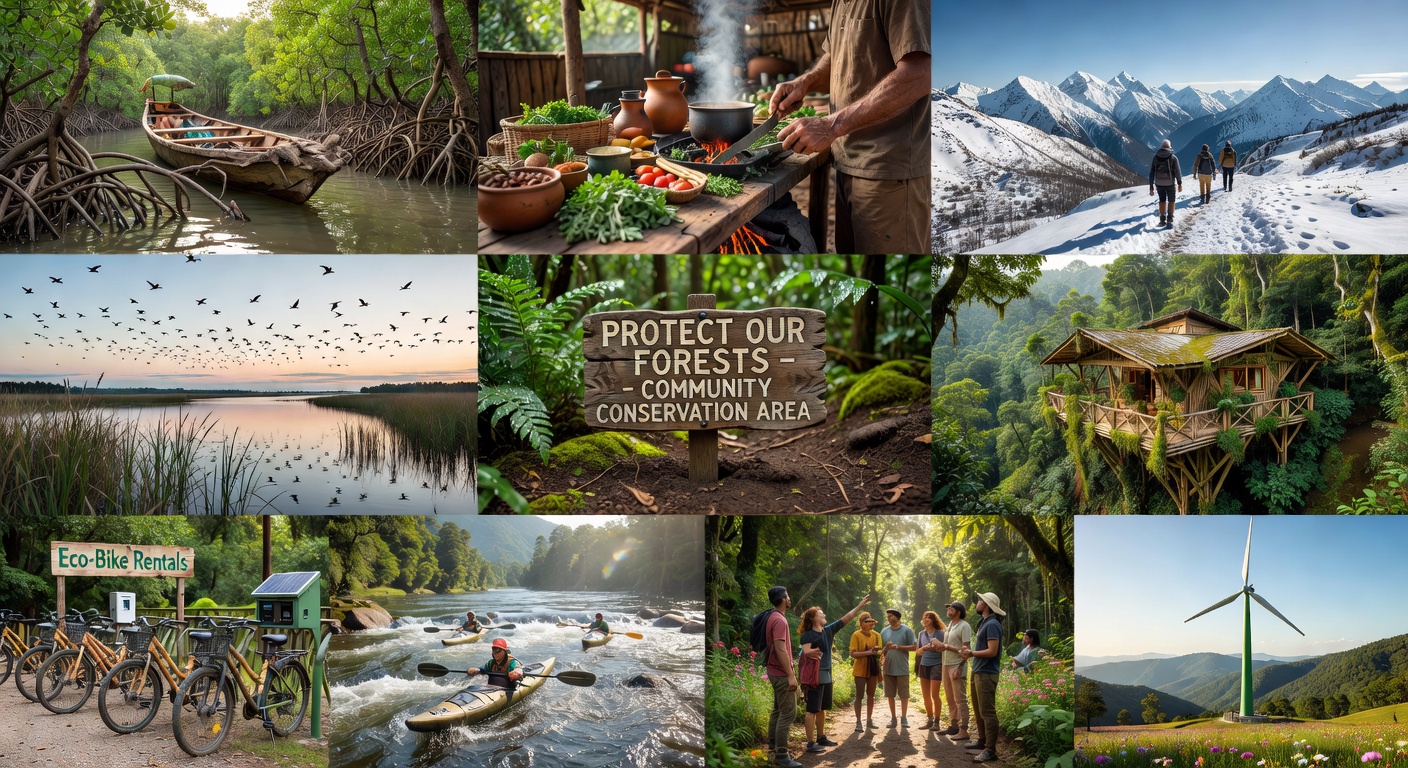
6 Tips for Responsible Travel in Costa Rica

How to ensure your visit strengthens conservation and benefits local communities.

Tip 01

Choose CST-Certified Lodges

Look for hotels and lodges with Costa Rica's Certificación para la Sostenibilidad Turística (CST) rating. Higher ratings (3–5 leaves) indicate genuine commitment to environmental and social sustainability standards.

Tip 02

Hire Local Naturalist Guides

Licensed local guides have deep ecological knowledge, speak the language, and ensure more of your tourism dollars stay in the community. In national parks, licensed guides are often mandatory — choose them over unlicensed operators.

Tip 03

Keep Distance from Wildlife

Never feed wildlife, maintain at least 2 meters distance from animals, and resist the urge to touch or pose with them. Costa Rica's animals are wild — sloths, monkeys, and caimans can cause serious injury, and human contact can harm their health and behavior.

Tip 04

Travel in Shoulder Season

The high season (December–April) concentrates visitors in popular spots. Consider the green season (May–November) when forests are lush, prices are lower, and crowds thin significantly. Many animals are more active during the wet season's early mornings.

Tip 05

Use Reef-Safe Sunscreen

Conventional sunscreens containing oxybenzone and octinoxate bleach coral reefs and harm marine life. Switch to mineral zinc oxide sunscreen before any ocean activity — or cover up with UPF clothing instead. Costa Rica's marine ecosystems will thank you.

Tip 06

Eat Local, Farm to Table

Support the many farm-to-table restaurants and sodas (local family restaurants) that source from regional farms. The casado — Costa Rica's traditional plate of rice, beans, salad, and protein — is delicious, affordable, and about as local as food gets.

Top Eco Lodges in Costa Rica

These exceptional properties combine comfort with genuine environmental commitment and community benefit.

🌳

Finca Bellavista Treehouse Community

Nestled in a 600-acre private rainforest reserve on the Osa Peninsula, Finca Bellavista offers treehouses connected by ziplines and suspension bridges, all powered by solar and hydroelectric energy. Revenue directly funds 100+ acres of reforestation annually.

☀️ Solar ♻️ Zero Waste 🌱 Reforestation 🍃🍃🍃🍃🍃 CST
🦜

Lapa Rios Ecolodge — Osa Peninsula

A landmark in Costa Rican eco-tourism, Lapa Rios protects a 1,000-acre private rainforest reserve bordering Corcovado National Park. All 16 thatched-roof bungalows overlook the jungle-to-ocean vista, and the lodge employs exclusively from surrounding communities.

🏆 Rainforest Alliance 👥 Community Hire 🌿 Private Reserve 🍃🍃🍃🍃🍃 CST
☁️

Arco Iris Lodge — Monteverde

A family-run cloud forest lodge where Swiss and Costa Rican traditions blend beautifully. All waste is composted or recycled, the restaurant serves exclusively locally sourced food, and guest stays fund the adjacent private nature reserve's ranger program.

🥗 Farm to Table ♻️ Full Recycling 👨‍👩‍👧 Family Run 🍃🍃🍃🍃 CST

Get Costa Rica Travel Updates

Subscribe for the latest conservation news, seasonal travel tips, and exclusive eco-lodge offers from Costa Rica and beyond.