Europe's Most Sustainable Destination
Iceland occupies a unique position on the world's sustainability map — a nation of just 370,000 people that generates 99% of its electricity from renewable geothermal and hydroelectric sources. Heated by the Earth's own volcanic energy, Iceland's homes, swimming pools, greenhouses, and industries run on clean power that most countries can only dream of. In a world grappling with the climate crisis, Iceland offers a striking vision of what a post-carbon society might look like.
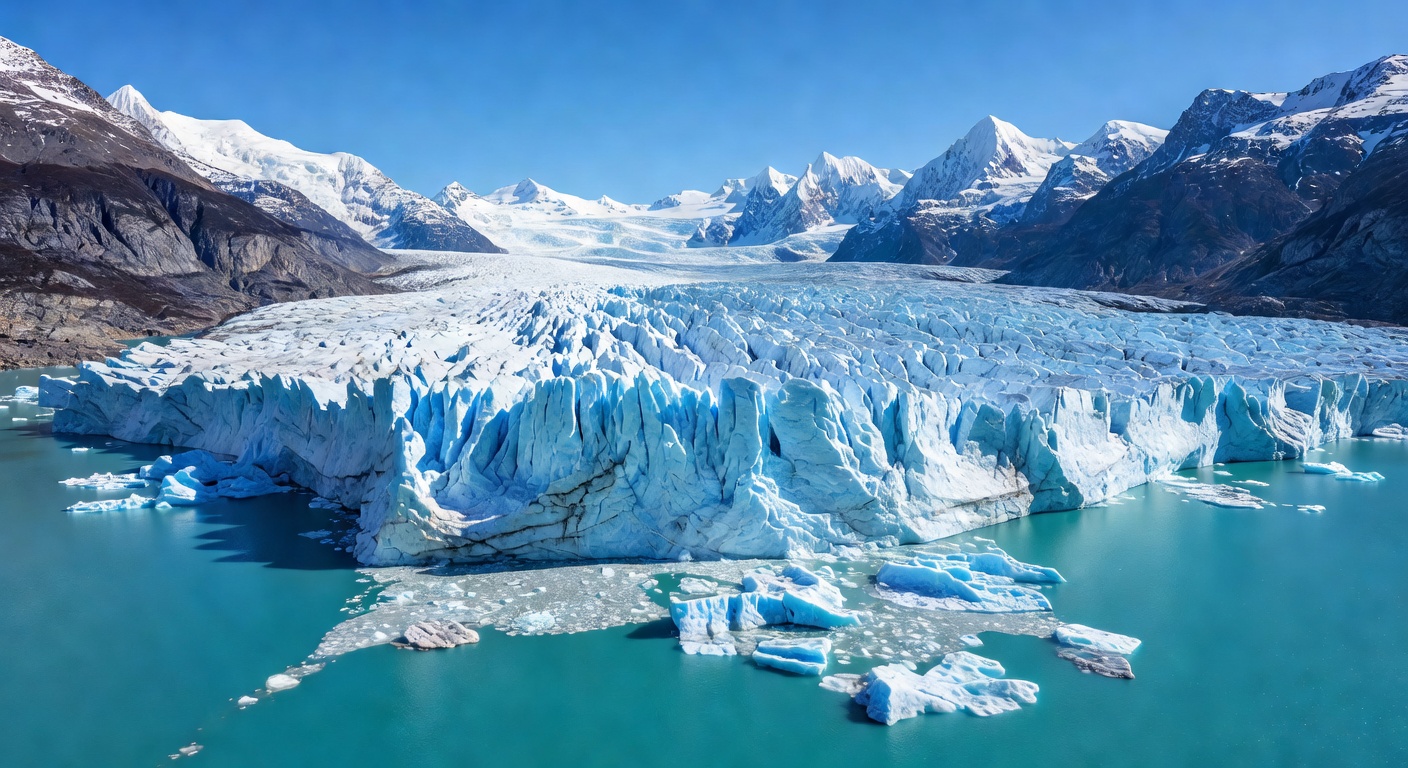
But Iceland's eco credentials extend far beyond its energy grid. The country has been at the forefront of whale watching (as an alternative to whaling), sustainable fisheries management, and environmental protection legislation that keeps its extraordinary landscapes accessible while preserving their integrity. The ring road that circumnavigates the island offers one of the world's great road trips — through basalt sea stacks, lava fields frosted with moss, thundering waterfalls, and glacier tongues that stretch to the sea.
99%
Renewable Energy
11%
of Land is Glacier
130+
Volcanic Mountains
Where Geology Becomes Spectacle
Iceland straddles the Mid-Atlantic Ridge — the divergent boundary between the North American and Eurasian tectonic plates. This means the island is literally being torn apart and rebuilt simultaneously, producing an extraordinary dynamic landscape: geysers erupt like clockwork, volcanic eruptions reshape the land, glaciers calve icebergs into glassy lagoons, and the northern lights paint the winter sky with otherworldly color. Every feature of Iceland's landscape is the product of geological forces operating on a timescale that dwarfs human history.
Iceland's isolation — 800km from Scotland, 1,000km from Norway — has produced wildlife found nowhere else. The Arctic fox is Iceland's only native land mammal. Puffins, the much-loved seabirds, nest in their millions on coastal cliffs. Humpback, minke, and blue whales feed in Iceland's nutrient-rich waters. Reindeer, introduced from Norway, roam the eastern highlands. And every summer, millions of migratory birds arrive to breed in Iceland's wetlands, making it one of Europe's most important birding destinations.