
Break Free From Plastic While Exploring the World
8 million tonnes of plastic enter our oceans every single year. Your travel choices can be part of the solution — starting with the choices you make before you leave home.
8 million tonnes of plastic enter our oceans every single year. Your travel choices can be part of the solution — starting with the choices you make before you leave home.
Tourism is one of the biggest drivers of single-use plastic consumption globally. Airports, hotels, restaurants, tours, and transportation systems generate an enormous volume of disposable plastic — bottles, straws, bags, cutlery, packaging, toiletry containers — much of which ends up in landfill, rivers, and ultimately our oceans. But tourists also have enormous purchasing power and can drive systemic change by demanding and choosing plastic-free alternatives at every stage of their journey.
Tourism creates massive demand for convenient, disposable products — and the convenience economy has responded with single-use plastic at every turn. A single hotel room can contain 20+ single-use plastic items (shampoo, conditioner, body wash, lotion, shower cap, mouthwash, cotton swabs, pen, notepad cover, water bottles). Multiply that by millions of hotel nights and the scale becomes staggering.
Many popular travel destinations are also ecologically fragile environments with limited waste management infrastructure. Plastic bottles that you discard in Bali, the Philippines, or the Caribbean can end up on coral reefs, inside marine animals, or on pristine beaches within days. In these contexts, your choice to avoid single-use plastic has immediate, visible consequences for the ecosystems you're visiting.
Marine plastic pollution affects over 700 species, from the smallest plankton to the largest whales. Plastic fragments into microplastics, which enter marine food chains and have been found in fish, sea salt, drinking water, and human blood. The Great Pacific Garbage Patch covers an area twice the size of Texas.
Tourism destinations that rely on healthy marine ecosystems — coral reefs, whale watching routes, pristine beaches — are directly threatened by plastic pollution. When travellers refuse single-use plastics, they reduce the flow of material entering these systems and send market signals that drive industry-wide change.
Studies in Southeast Asia estimate that tourists generate 2–3× more plastic waste per day than local residents. A two-week trip with zero single-use plastic avoids an estimated 30–50 plastic items — roughly 2 kg of waste that won't enter local landfill or waterways.
The single biggest source of tourist plastic waste is single-use water bottles. Carry a high-quality stainless steel bottle and a portable filter (LifeStraw Go, GRAYL Geopress, or SteriPen UV purifier). In regions where tap water is safe, refill freely. In regions where it isn't, your filter makes any water safe without generating plastic waste.
Politely but clearly communicate your preference when ordering food and drinks: "No straw, please," "No plastic bag needed," "Can I skip the plastic cutlery?" Proactive refusal is more effective than accepting and then trying to recycle — because most tourism plastic doesn't get recycled regardless. Say no before it arrives.
Shampoo bars, conditioner bars, solid sunscreen, toothpaste tablets, and solid body wash eliminate all of your toiletry plastic in one swap. These products are available from brands like Lush, HiBar, Ethique, and Meow Meow Tweet. They're also TSA carry-on compliant and last longer per use than liquid equivalents — saving money as well as plastic.
Hotel miniature toiletries are among the most wasteful single-use products in tourism. A 2024 study estimated global hotels generate over 1 billion miniature plastic bottles per year — the majority of which are incinerated or landfilled. Decline all miniature bottles and ask the hotel to remove them from your room before you arrive if possible.
A compact kit containing a reusable tote bag, stainless steel straw, bamboo cutlery, and reusable coffee cup eliminates your most common plastic encounters. Keep it in your day bag so it's always to hand — at street food stalls, cafés, markets, and restaurants. The kit pays for itself after a handful of uses.
Local produce markets typically use zero or minimal plastic compared to supermarkets. Bring your own bag and containers. When buying street food, carry your own container for takeaways. Ask vendors to skip the plastic bag when handing you food items — most are genuinely glad to reduce their waste costs when given the option.
An increasing number of hotels and eco-lodges have committed to eliminating single-use plastic entirely. Look for properties certified by Green Key, EarthCheck, or national eco-labels that list plastic reduction as a program requirement. Many boutique eco-lodges in Costa Rica, Bali, and the Maldives have gone fully plastic-free in their guest experience.
Sunscreen chemicals (particularly oxybenzone and octinoxate) are toxic to coral reefs, and conventional sunscreen tubes are single-use plastic. Switch to mineral sunscreens in metal or cardboard packaging — brands like Badger, Raw Elements, and Stream2Sea offer reef-safe, plastic-free options that protect both you and the ecosystems you swim in.
Despite best efforts, some plastic will be unavoidable — particularly in developing countries where plastic-free alternatives aren't yet readily available. When you do generate plastic waste, make every effort to recycle it correctly. Research local recycling facilities before your trip, and if infrastructure is lacking, carry unavoidable plastic waste until you find a proper disposal point.
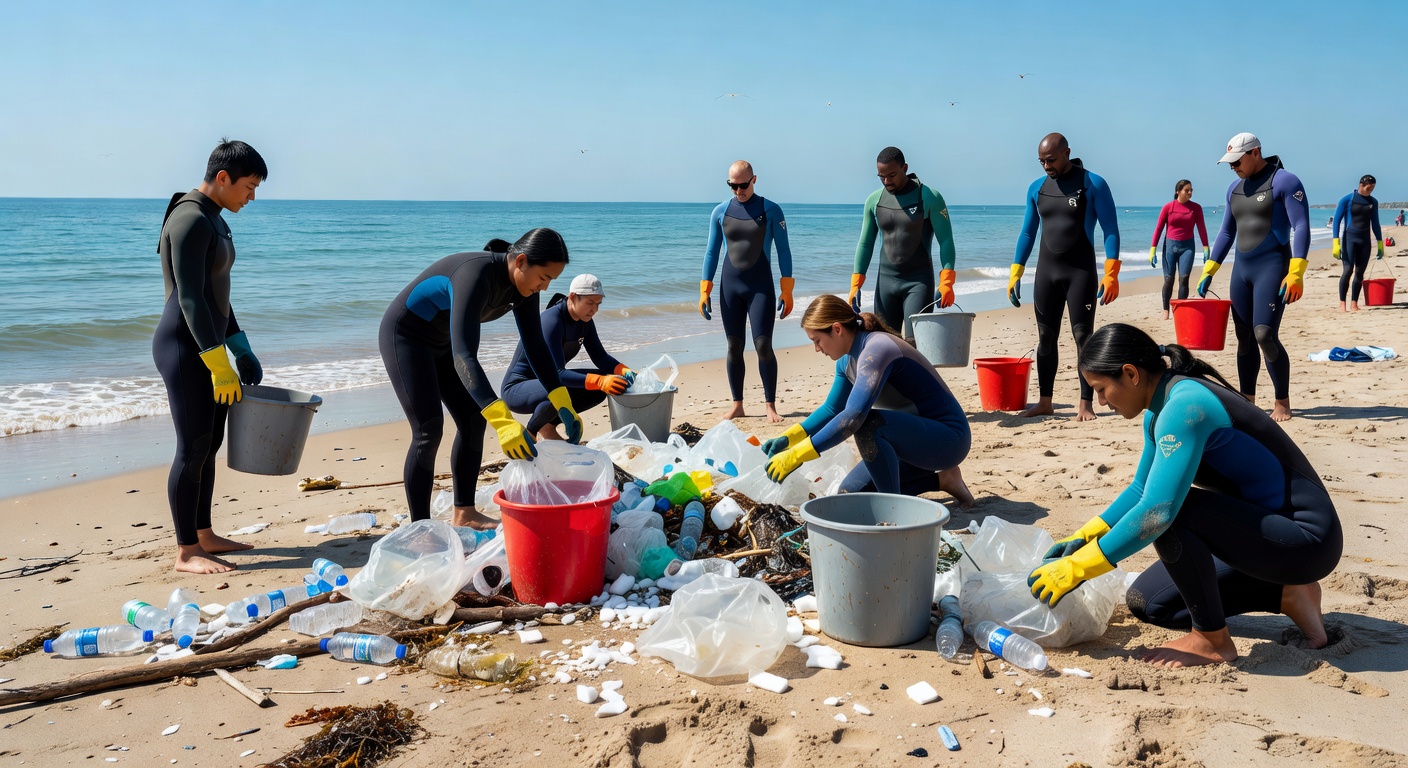
One of the most direct acts of plastic-free travel advocacy is picking up plastic you didn't put there. Many destinations have organised cleanup events — check with local dive shops, surf schools, and environmental NGOs. Even 30 minutes of personal cleanup during a beach visit can remove dozens of plastic items from fragile coastal ecosystems.
These destinations have enacted strong plastic reduction policies and are making measurable progress toward plastic-free tourism.
Iceland has committed to eliminating all single-use plastics in food service by 2030. Tap water is clean enough to drink directly from glaciers and streams, eliminating any need for bottled water. Recycling infrastructure is excellent, and most tourism operators have already eliminated disposable plastics from their services.
Ban on single-use plastic bags 2021New Zealand phased out single-use plastic bags in 2019 and has since expanded restrictions to cover most single-use plastic items. The country's standardised national recycling system, introduced in 2024, makes recycling remaining plastic straightforward for tourists. Many tourism operators promote plastic-free visitor experiences as a core selling point.
Progressive plastic bans since 2019Rwanda has one of the world's strictest plastic bag bans, enforced since 2008. Visitors arriving at Kigali International Airport have plastic bags confiscated at customs. The country's streets and national parks are strikingly clean as a result — making Rwanda one of the most compelling examples of what political will on plastic policy can achieve at scale.
World's strictest plastic ban since 2008Whales, dolphins, sea turtles, seabirds, and fish are among the 700+ marine species affected by plastic pollution. Entanglement in plastic debris kills an estimated 100,000 marine mammals annually. Ingestion of plastic — which animals mistake for food — causes internal injuries, blocked digestive systems, and starvation.
Microplastics — fragments smaller than 5mm — have been found in the deepest ocean trenches, in polar sea ice, and in the tissues of virtually every marine organism studied. The long-term effects on marine ecosystem function are still being understood, but preliminary research suggests significant disruption to reproductive health and immune systems.
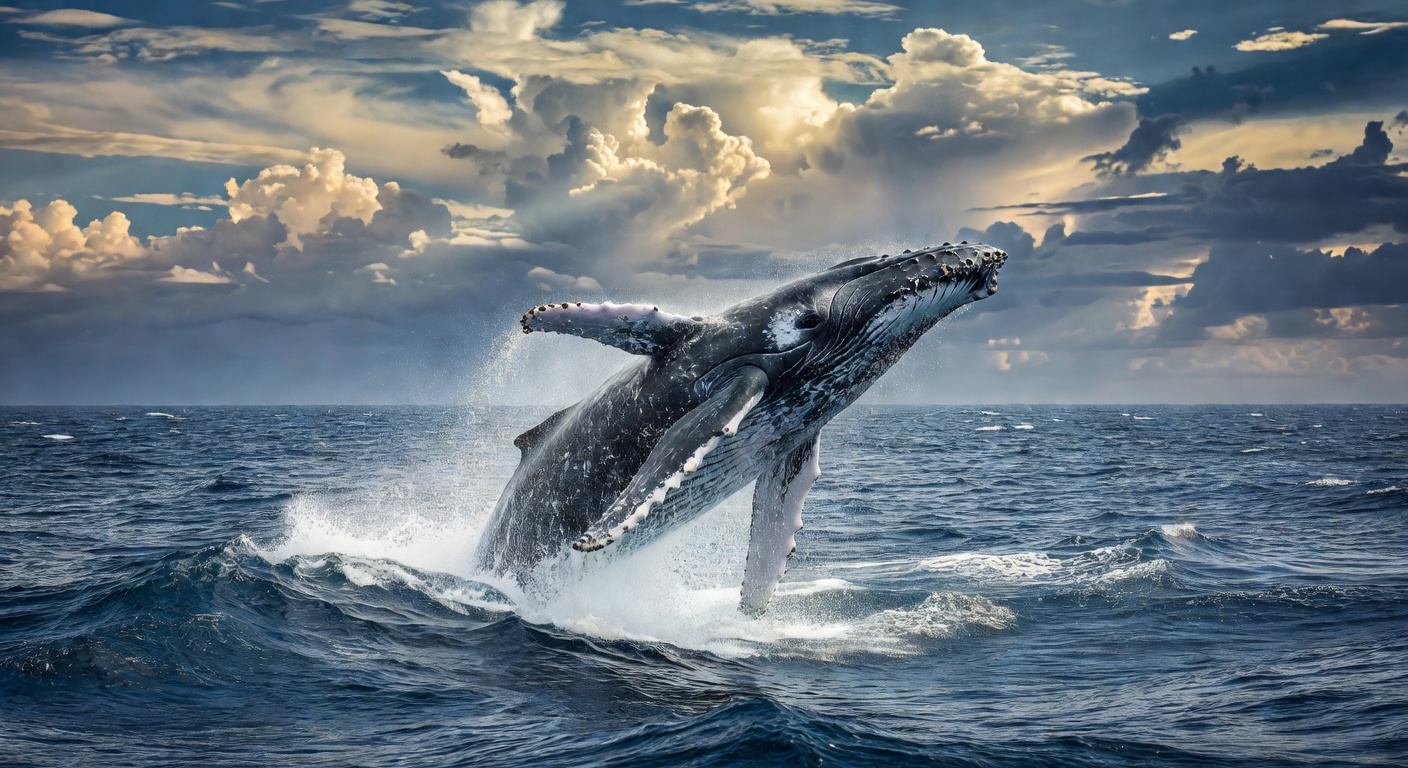
Many whale watching destinations are also plastic pollution hotspots. Choosing plastic-free travel in these regions and supporting local ocean cleanup programs directly protects the animals that make those experiences possible.
When plastic avoidance isn't possible, these alternatives minimise your impact.
Choose the largest available bottle size (fewer items) or a glass bottle. Look for brands using recycled or recyclable material. Transfer to your reusable bottle immediately and recycle the single-use container properly.
If you forget your container, choose polypropylene (PP, recycling code #5) over polystyrene (#6) — it's more widely recycled. Wash and store the container rather than discarding — it can serve as a temporary reusable vessel for the rest of your trip.
Accept a paper bag if offered — far preferable to plastic. Reuse any plastic bag you do receive multiple times before discarding. Many supermarkets globally now offer plant-based compostable bags as an alternative — look for the seedling logo certification.
Decline the lid and straw when possible — the cup alone is a lower plastic burden. Paper straws, though imperfect, are vastly preferable to plastic. Metal straws from airport shops are increasingly available and a worthwhile emergency purchase at the start of any trip.
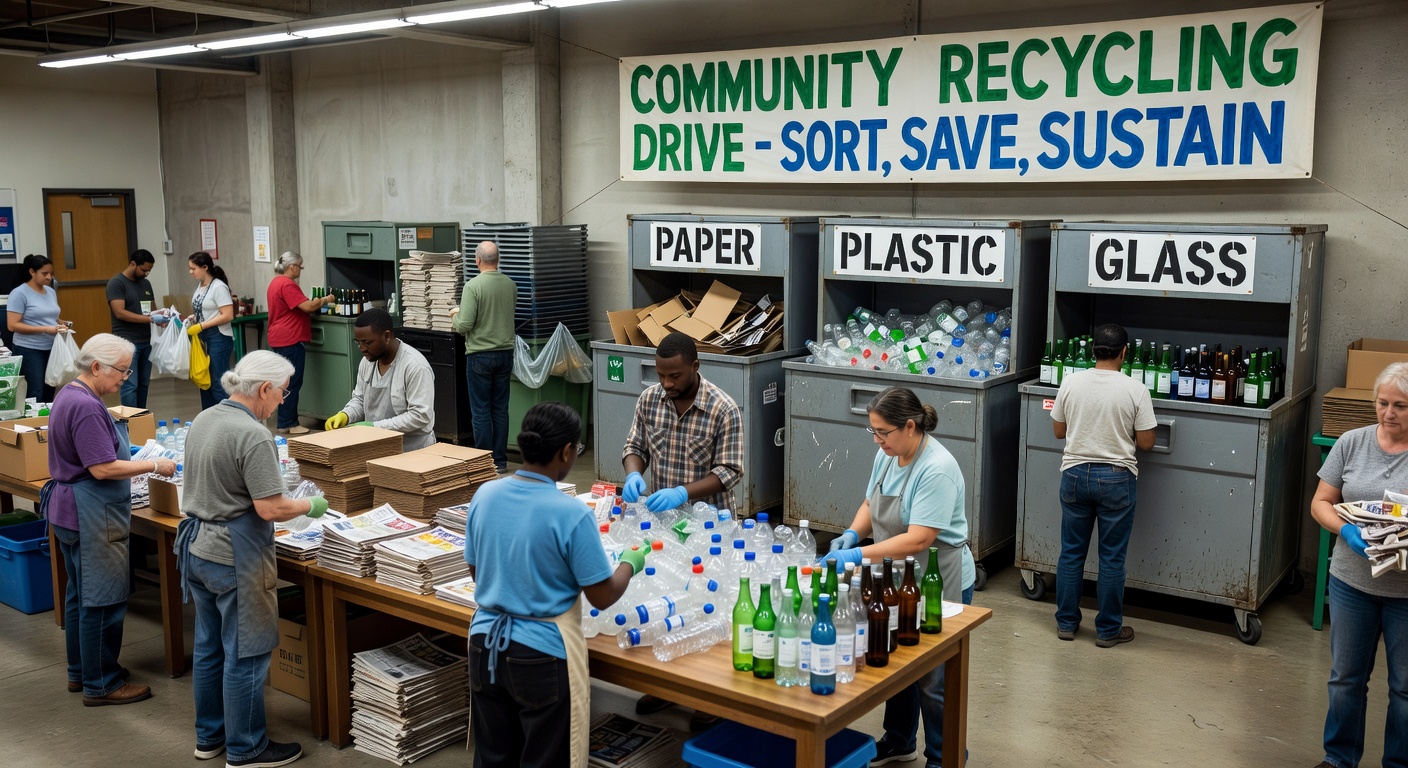
Even in regions with good recycling infrastructure, tourist plastic often bypasses recycling systems because visitors don't know the rules. Research local recycling norms before your trip — most tourism boards publish waste management guides, and apps like iRecycle and Recyclopedia can help you locate facilities in unfamiliar cities.
In regions with limited formal recycling, look for plastic bottle banks at supermarkets, beach cleanups that partner with material recovery organisations, or informal recyclers who operate effective collection systems. In many developing countries, informal recycling sectors recover materials at high rates despite the absence of formal infrastructure.
Read Our Zero Waste Travel GuideThese organisations run cleanups at beaches, rivers, and dive sites around the world — and welcome traveller participation.
Runs the International Coastal Cleanup — the world's largest single-day volunteer effort, with events in over 100 countries every September. Register at oceanconservancy.org to find your nearest event or host your own.
The diving community's leading marine conservation organisation offers Dive Against Debris training that certifies divers to conduct systematic underwater surveys and cleanups. Active programs in 180+ countries.
With 1,000+ beach cleanup events annually across 6 continents, Surfrider is the world's largest grassroots coastal protection organisation. Their Beach Cleanup app lets travellers find events near any beach worldwide.