People-Centered Travel: Why Communities Matter
Up to 80% of money spent on conventional travel never reaches the people living in destination communities. Here's how to close that gap and travel in genuine solidarity.
Up to 80% of money spent on conventional travel never reaches the people living in destination communities. Here's how to close that gap and travel in genuine solidarity.
Tourism is the world's largest service industry and one of the most powerful economic forces in developing countries. In theory, it should lift millions of people out of poverty by creating jobs, markets, and infrastructure. In practice, a phenomenon called "economic leakage" means that up to 80 cents of every tourist dollar spent in developing countries flows straight back out — to foreign-owned hotel chains, international airlines, imported food, and foreign tour operators.
In many popular developing-country destinations, only 20% of tourist spending reaches local communities. Here's where the rest goes:
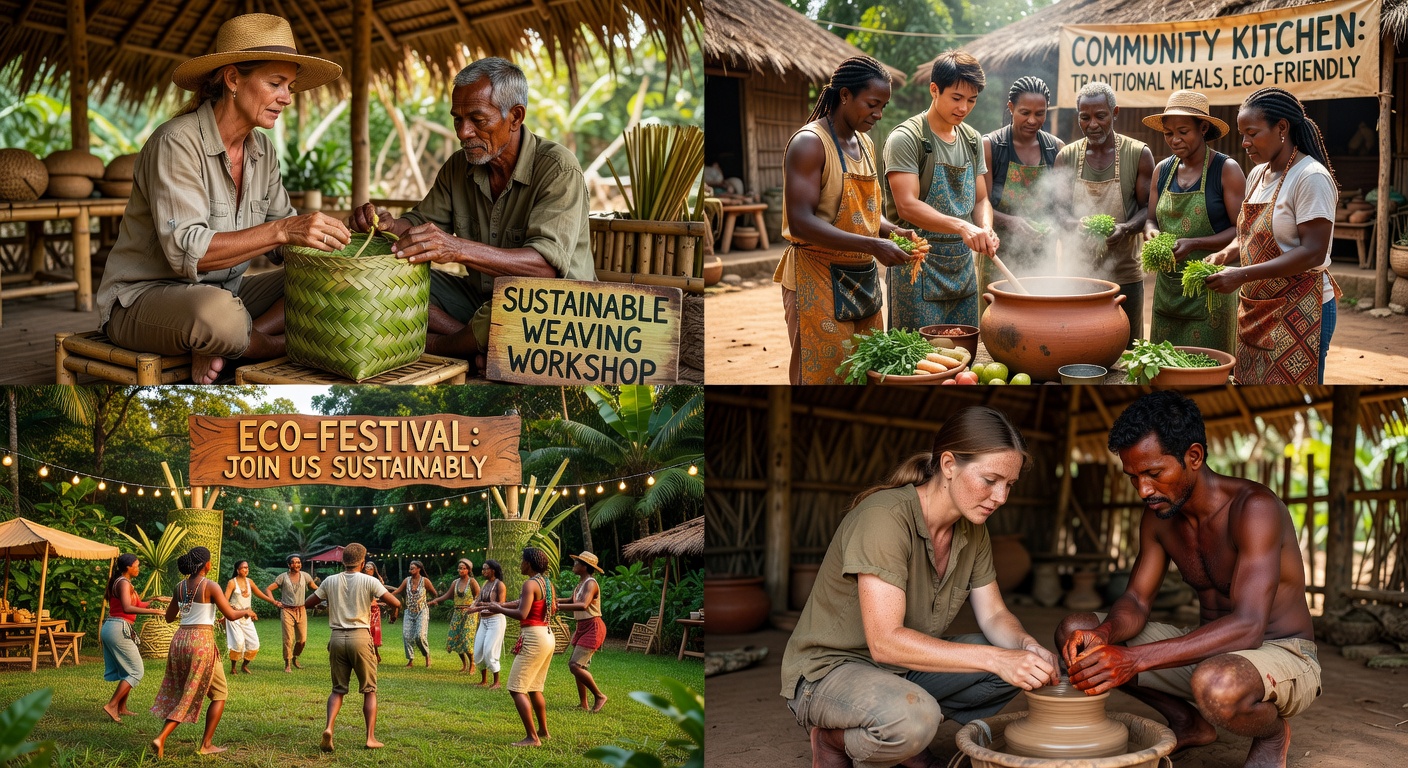
Community-based tourism (CBT) is the antidote. By booking locally owned accommodation, eating at family-run restaurants, hiring community guides, and buying artisan products direct from makers, you can ensure that the majority of your travel spending stays where it belongs — creating real livelihoods for real people.
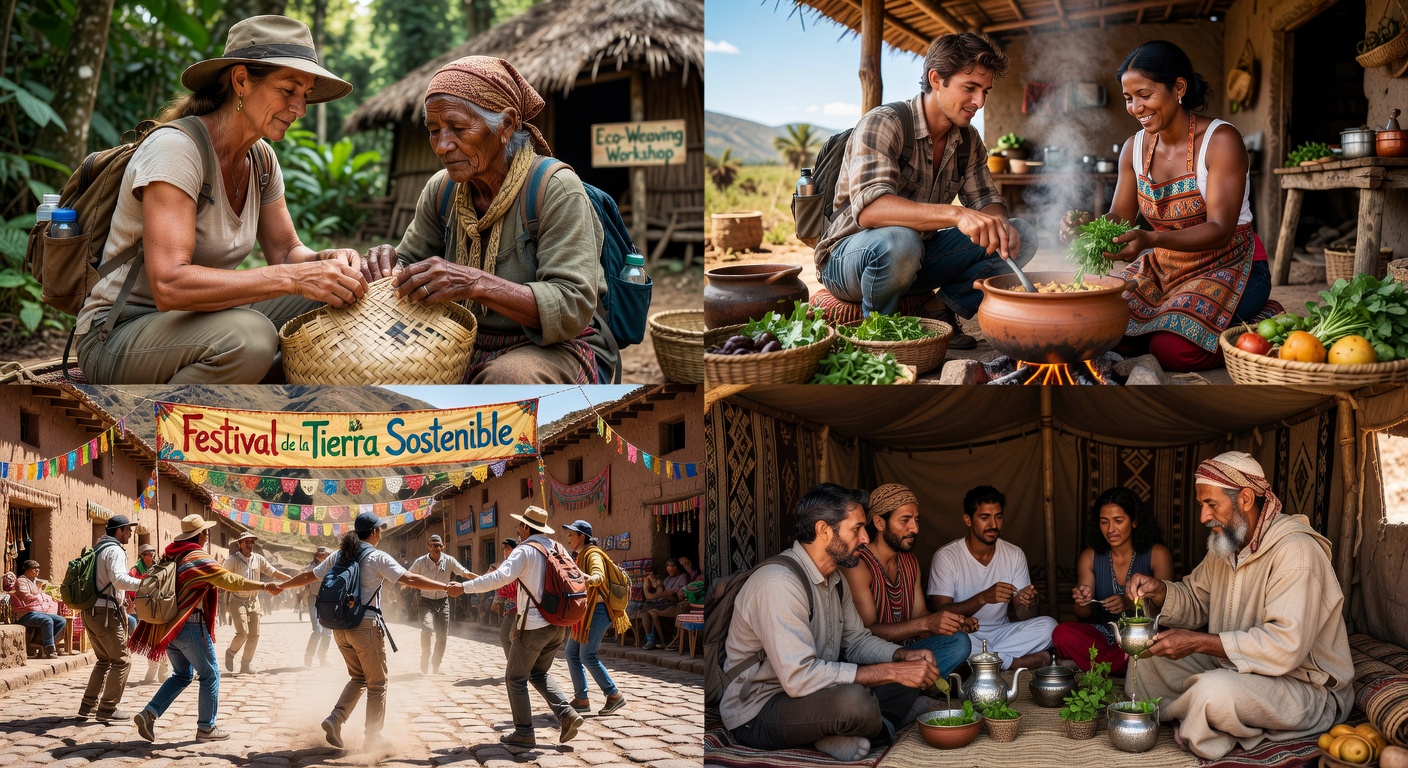
People-centered travel isn't about charity. It's about creating genuine exchange — where both the traveller and the community benefit in meaningful ways. The traveller gains authentic insight into ways of life profoundly different from their own; the community gains economic opportunity, cultural pride, and the resources to preserve traditions.
When done well, tourism can fund the preservation of endangered languages, traditional crafts, musical traditions, and agricultural knowledge that would otherwise be lost to globalisation. The stories you bring home become part of the cultural bridge between worlds.
CBT is tourism that is owned or managed by communities, in which a significant share of benefits accrue to local people. UNWTO estimates CBT generates 3× more community income than conventional tourism models.
Choose family-run guesthouses, community lodges, and locally owned boutique hotels over international chains. Platforms like Community Homestays Network, Local Alike, and Fairbnb specialise in accommodation where hosts retain the majority of income. When you sleep in a family home, your spending directly feeds local families.
A local guide provides incomparably deeper insight into a destination than any app or guidebook — and keeps your money entirely within the community. Ask your accommodation to recommend independent community guides rather than booking through international platforms that take 20–30% commission cuts. Tip generously and proportionately to local wages.
Skip the tourist-facing restaurants in resort zones and eat where locals eat. Street food and local markets not only deliver the most authentic flavours; they put money directly into the hands of small vendors, market stall operators, and farmers. Ask locals for recommendations — the best places almost never advertise to tourists.
Souvenir shops in tourist zones typically pay artisans 10–20% of the final retail price. Visit craft cooperatives, markets, or workshops where you can buy directly from the maker. This single change dramatically increases the share of your spending that reaches individual creators. Always ask if a product is locally handmade before purchasing.
Choose local tour companies over international agencies wherever possible. International operators frequently use "preferred supplier" contracts that route spending to foreign-owned businesses. Ask your accommodation to recommend community-run tour operators, and check whether guides are employed on fair contracts with living wages and benefits.
Even a few words of the local language — "thank you," "please," "how much?" — signals respect for the community you're visiting. It breaks down barriers, creates genuine moments of connection, and communicates that you see local people as people rather than service workers. Language apps like Duolingo, Pimsleur, and italki make this easy to begin before you leave.
Many communities that open their homes and culture to visitors have developed protocols around photography, dress, sacred sites, and participation in ceremonies. These rules exist to protect cultural integrity and community wellbeing. Follow them without exception — and if you're unsure, ask before photographing, touching, or participating in anything.
Visiting or volunteering in orphanages has been identified by UNICEF and international child welfare organisations as frequently harmful to children. Many facilities actively recruit children from poor families to display to tourists, creating a perverse incentive for family separation. Direct donations to verified local schools, libraries, and community centres instead.
Bargaining is cultural in many markets and can be a form of playful social exchange. But driving prices to the absolute minimum is not ethical when the wage gap between traveller and vendor is enormous. Pay a fair price — one that reflects the genuine value of the work, not just the lowest you can extract. A few extra dollars means far more to the vendor than to you.
The stories and images you share from community tourism experiences have real power — they can attract more responsible travellers to communities that benefit from ethical visitors, or they can reduce complex cultures to exotic spectacles. Ask before photographing people, share stories that convey full human dignity, and recommend community-based operators in your reviews.
Community-based tourism programs exist in almost every corner of the world — from Maasai-operated camps in Kenya to indigenous-run lodges in the Amazon, homestay networks in rural Japan, and cooperative guesthouses in Rajasthan. The challenge is knowing how to identify genuinely community-owned operations from "community-themed" marketing by conventional operators.
Key questions to ask: What percentage of staff are from the local community? Who owns the business? Where is profit reinvested? Is the community involved in governance decisions? Does the program have an active community benefit fund?
Platforms like Local Alike (Southeast Asia), Community Homestays Network (South Asia), Responsible Travel (global), and NACOBTA (Namibia) connect travellers with verified community-based tourism programs where the majority of revenue reaches local beneficiaries.
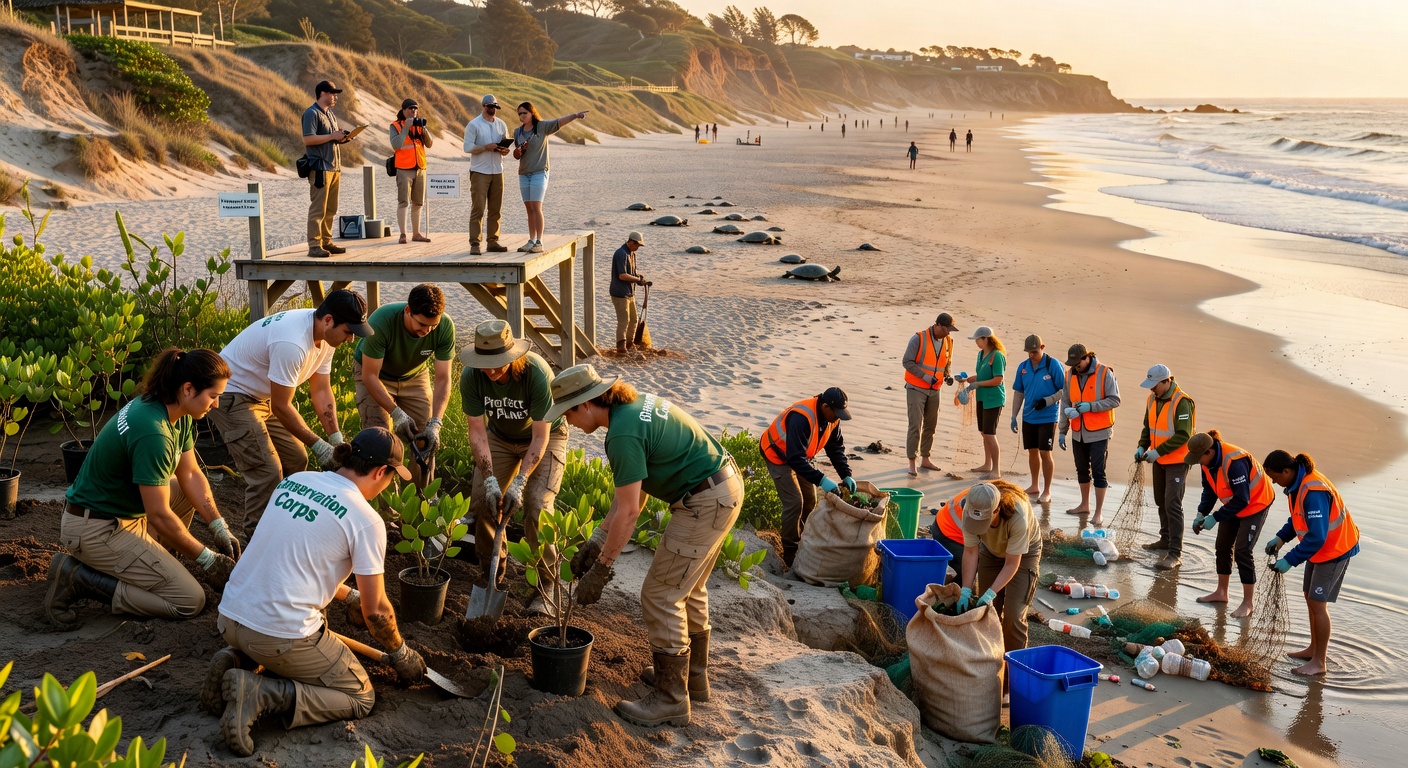
Always ask permission before photographing individuals, communities, or sacred spaces. "No" is a complete answer that deserves full respect. Some communities prohibit photography entirely for cultural or spiritual reasons.
Research dress standards before visiting religious sites, villages, and cultural events. Covering shoulders and knees is the minimum standard in many communities. Dressing respectfully shows you take the cultural context seriously.
Every community has sacred spaces, objects, and ceremonies that are not open to outsiders — or that require specific protocols of participation. Always follow guidance from local hosts and err on the side of respectful distance.
Approach cultural differences with genuine curiosity and an open mind. Avoid comparing local practices unfavourably to your own culture. Ask questions respectfully, listen fully, and resist the urge to offer unsolicited opinions or advice.
Handing out sweets, money, or gifts to children creates dependency and can generate harmful dynamics. If you want to give, direct donations to community schools, health centres, and local NGOs are far more impactful and respectful.
Examine the assumptions you bring to encounters with communities very different from your own. "Poverty tourism" — visiting communities primarily to witness economic hardship — extracts narrative value without genuine benefit. Focus on connection and exchange.
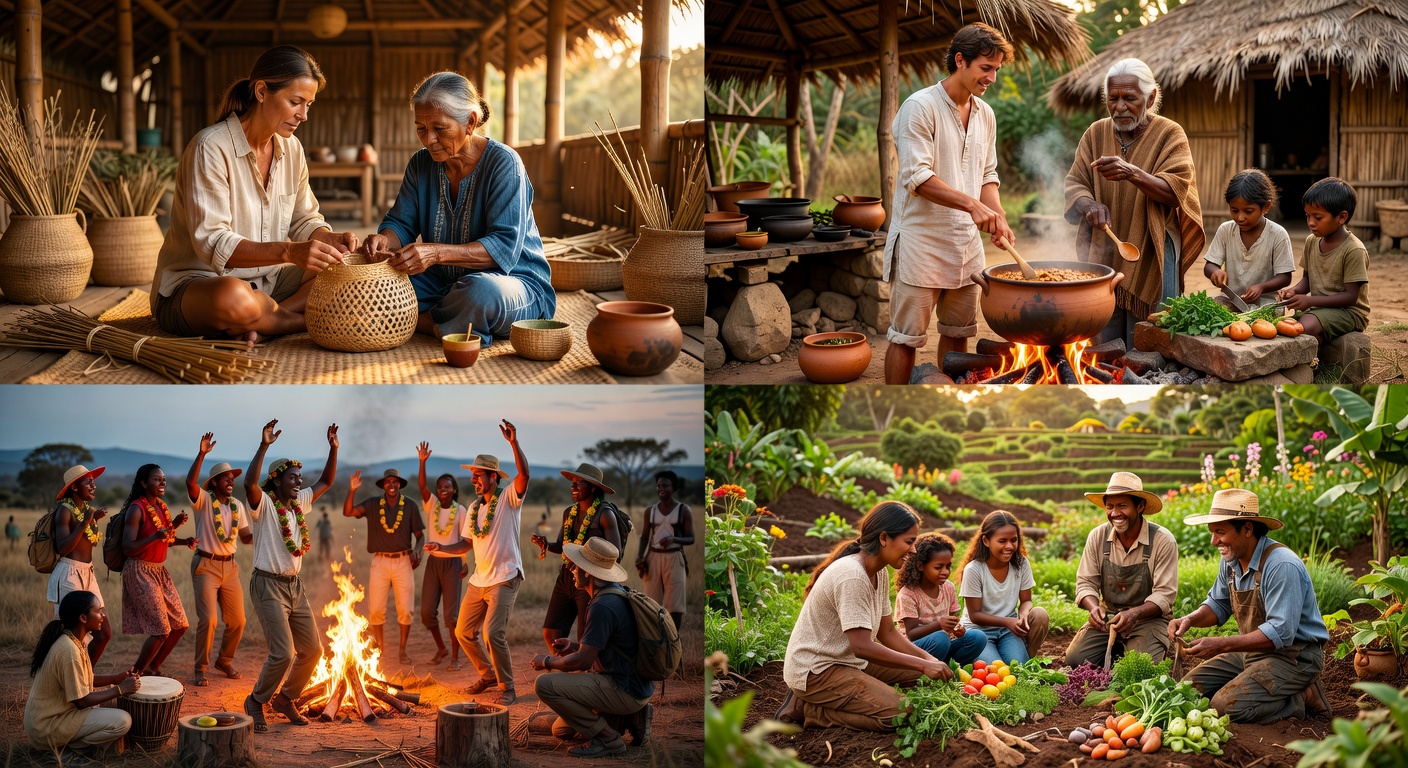
The Fair Trade in Tourism movement applies the principles of fair trade commerce to the travel industry — ensuring that the people who host tourists receive fair wages, safe working conditions, and a genuine say in how tourism development proceeds in their communities.
When booking travel experiences, look for the Fair Trade Tourism (FTT) certification or its equivalent. FTT-certified operations pay fair wages, ensure equitable sharing of benefits, respect human rights, and involve local communities in governance. South Africa, Namibia, and Kenya have the most mature FTT certification programs globally.
Explore All Sustainability Guides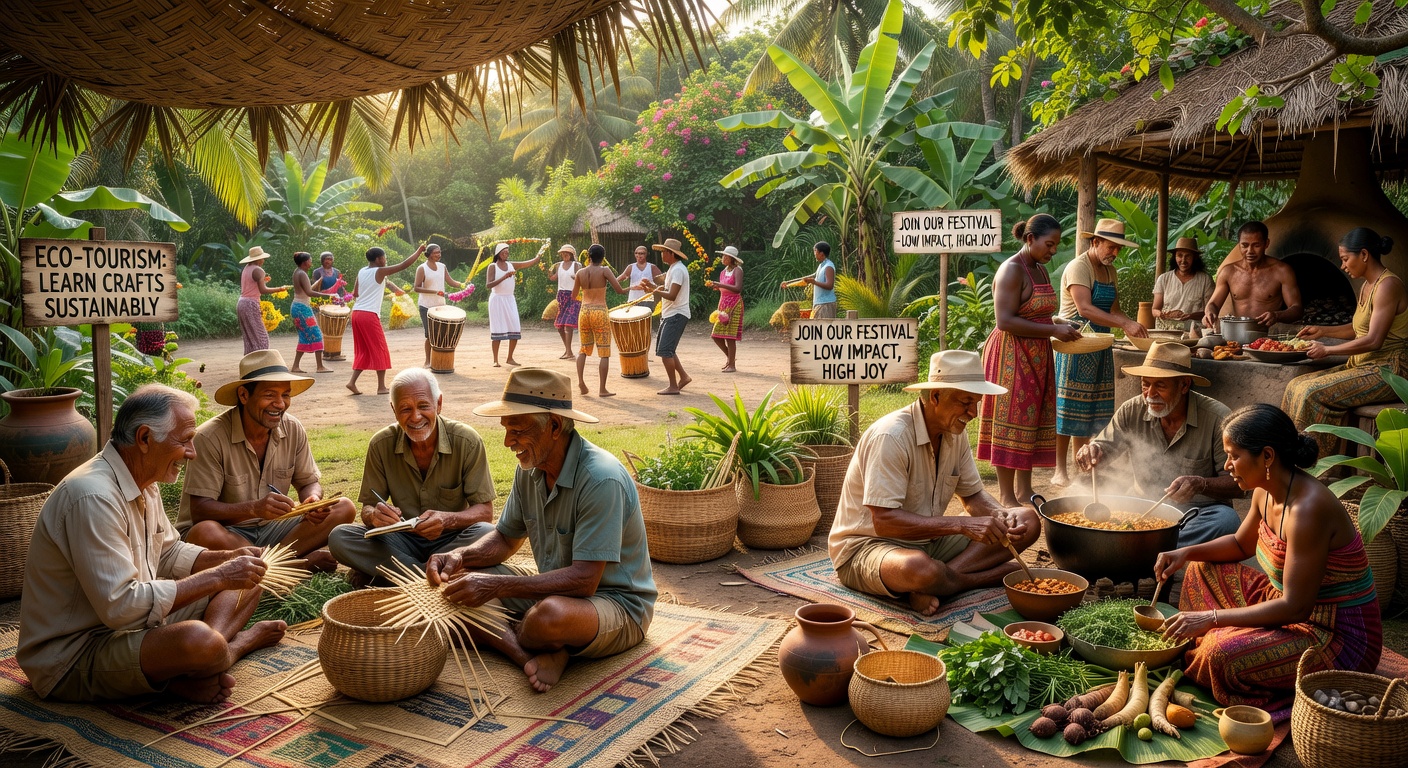
Namibia's Community-Based Natural Resource Management program has transferred wildlife management rights to over 80 rural communities. Trophy hunting and photographic tourism now generate more than $10 million annually for communities that previously had no economic incentive to protect wildlife — transforming poachers into rangers.
Uros and Taquile island communities around Lake Titicaca have developed community-governed homestay programs that host over 50,000 tourists annually. Strict rotation systems ensure income is distributed fairly, and communities set their own visiting rules — including banning photography of private family spaces and sacred ceremonies.
The Local Alike platform has connected over 100 rural Thai communities with responsible travellers, generating community income that exceeds what conventional tour operators would deliver. Communities set their own tourism standards, control visitor numbers, and invest surplus revenue in education and environmental protection projects.