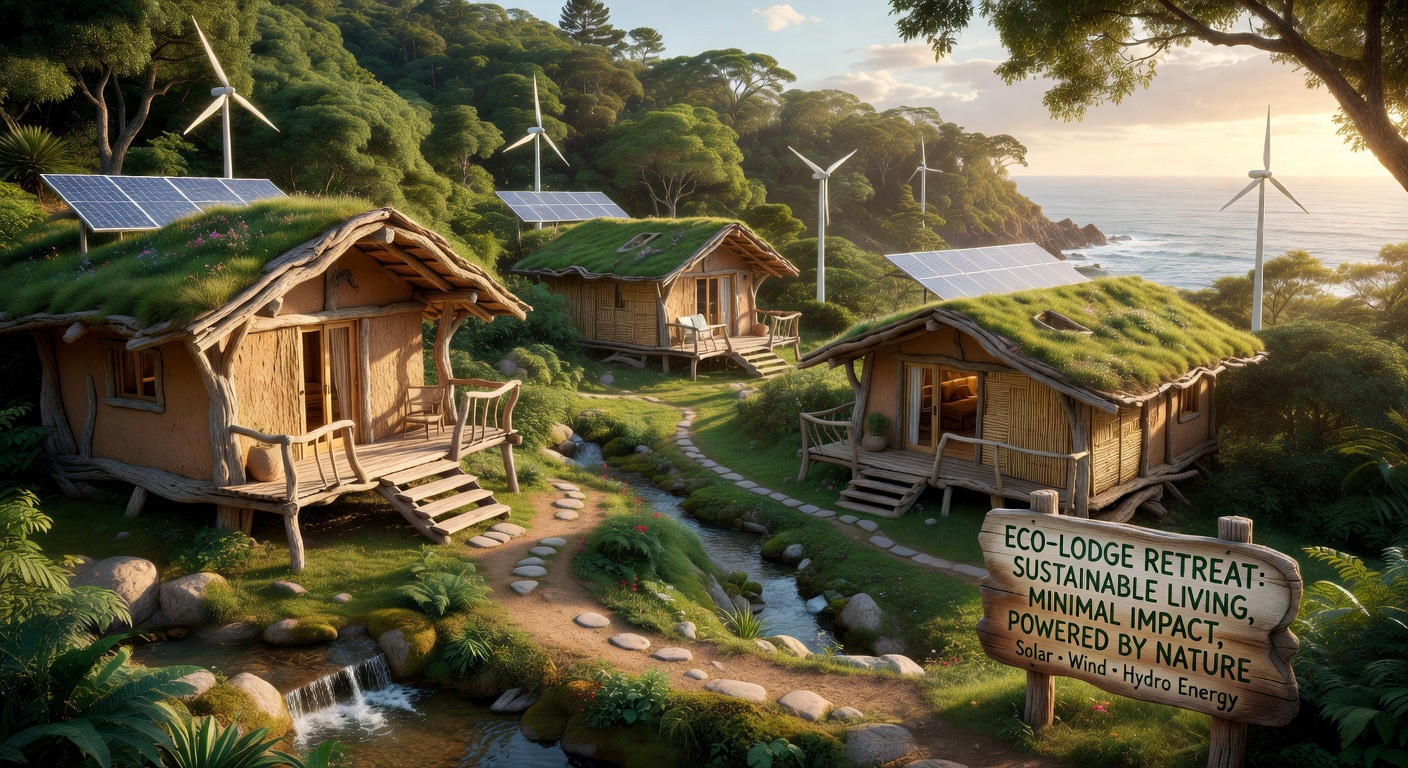
Sleep Sustainably: Your Guide to Eco Stays
The accommodation you choose ripples outward into the ecosystem, economy, and community of every destination you visit.
The accommodation you choose ripples outward into the ecosystem, economy, and community of every destination you visit.
After transport, accommodation is typically the second-largest contributor to a traveler's environmental impact. The hotel industry consumes enormous quantities of water, energy, and single-use plastics — but a growing movement of genuinely sustainable operators is redefining what it means to be a guest. From solar-powered treehouses in the Costa Rican canopy to family-run homestays on the edge of the Amazon, the choice of where you sleep can actively fund conservation, support local communities, and model a better way of being in the world.
A typical hotel room generates around 31kg of CO2 per night. A certified eco lodge using solar power, rainwater collection, and organic local sourcing can reduce that figure by up to 80% while actively contributing to habitat conservation through a portion of every booking.
The sustainable accommodation spectrum spans from rustic wilderness camps to architecturally stunning lodges — every style has a place in the eco-traveler's repertoire.
Purpose-built to minimise ecological impact while maximising connection to natural surroundings. Typically solar-powered, constructed from local materials, staffed by community members, and located within or adjacent to protected areas. Many contribute directly to conservation research and habitat monitoring.
Among the most immersive accommodation experiences available — sleeping in the forest canopy with minimal footprint below. The best treehouse operations use tree-friendly attachment systems, gravity-fed water, composting toilets, and solar lighting. They offer unparalleled access to forest biodiversity without disturbing the ground layer.
Glamorous camping bridges the gap between wilderness immersion and modern comfort. At its best, eco glamping uses canvas or natural materials, off-grid energy systems, and leaves no permanent footprint. Operators in protected areas often use seasonal structures that are removed outside peak season, allowing habitat recovery.
Staying with local families is often the most genuinely sustainable option: no construction impact, near-zero energy use, locally sourced food, and an economic model that puts the majority of revenue directly into community hands. Homestays also offer authentic cultural exchange that no hotel can replicate.
These accommodation styles set the benchmark for what genuine ecological responsibility looks like in hospitality.

Elevated among the emergent layer of ancient rainforest, these treehouse suites use tree-hugging attachment systems that cause zero structural damage. Solar panels provide all electricity, gravity-fed rainwater supplies all water needs, and waste is fully composted on-site. Guides are community naturalists with decades of local knowledge.
Explore This Style →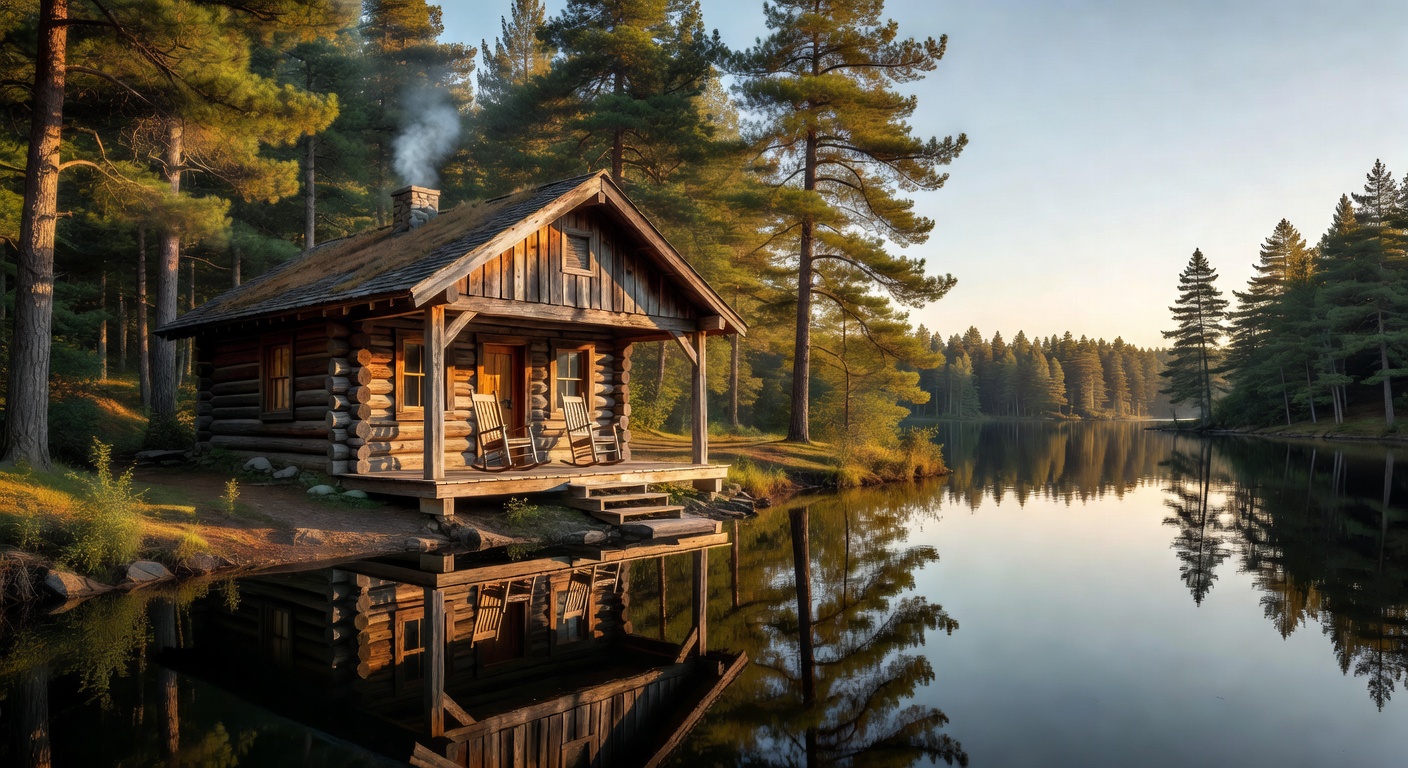
Hand-built from locally sourced, sustainably harvested timber with natural insulation from sheep's wool and recycled denim. Each cabin is entirely off-grid: solar for electricity, wood from managed forests for heating, and a closed-loop greywater system. A minimum 2% of all revenue funds local reforestation projects.
Explore This Style →
Canvas platforms on minimal steel footings, removed each November and reinstalled in April to allow complete seasonal habitat recovery. Biodegradable toiletries, organic cotton bedding, solar fairy lights, and a kitchen garden supplying 60% of food served. Each guest stay includes a guided ecosystem monitoring walk with resident researchers.
Explore This Style →Not all "eco" claims are equal. These independent certification bodies apply rigorous standards across energy, water, waste, biodiversity, and community impact.
Leadership in Energy and Environmental Design — the world's most widely used green building rating system. LEED-certified accommodations have met stringent standards for energy efficiency, water conservation, materials, and indoor air quality. Gold and Platinum ratings indicate exceptional performance across all categories.
One of the world's leading eco-labels for the tourism sector, awarded by the Foundation for Environmental Education to establishments meeting strict criteria across 13 areas including environmental management, water, energy, cleaning, and staff training. Over 3,400 establishments in 57 countries hold this certification.
The world's leading scientific benchmarking, certification, and advisory group for travel and tourism. EarthCheck measures actual energy, water, and waste performance data against regional benchmarks and requires continuous improvement. Preferred by many large eco-resorts seeking credible, data-driven validation.
The Rainforest Alliance Sustainable Tourism Standard evaluates social, economic, cultural, and environmental criteria. Particularly relevant for jungle lodges and operations in biodiversity hotspots. Certified operations actively contribute to habitat conservation and community development in their surrounding area.
The European Union's official eco-certification for tourist accommodation covers energy and water efficiency, waste reduction, and sustainable services. Accommodations must meet mandatory and optional criteria and undergo regular third-party audits. The flower logo is a trusted signal across all EU member states.
The Certification for Sustainable Tourism is Costa Rica's national sustainability standard — one of the most comprehensive in the world. Properties are rated on a scale of 1–5 leaves across four dimensions: physical-biological setting, infrastructure management, external client relations, and socioeconomic environment.
The right questions reveal whether an accommodation's sustainability claims are substance or marketing. Ask these before committing to any eco stay.
Genuine eco lodges can answer this precisely. Solar, wind, and micro-hydro are ideal. Ask specifically about backup generator use and fuel type.
Look for composting toilets, constructed wetland treatment, or biodigesters rather than septic or direct discharge into natural watercourses.
Legitimate eco operations can typically name their key suppliers. Over 70% local sourcing is a strong indicator; 90%+ is exceptional.
Community employment is a core pillar of genuine eco-tourism. Ask specifically about management-level local hiring, not just service roles.
Self-declared "eco" claims without independent verification mean little. Ask for the specific certification body, rating level, and last audit date.
Genuine eco operations are typically embedded in conservation research, habitat restoration, or community development projects. Ask for specifics.
Best-in-class properties have eliminated single-use plastics entirely and replaced them with glass, stainless steel, bamboo, or package-free alternatives throughout the operation.
Growth plans that involve more land clearing or construction without biodiversity offsetting can be a red flag. Look for operators prioritising depth of experience over expansion.
Greenwashing is rampant in the accommodation industry. Use these signals to quickly sort genuine sustainability from clever marketing.
Third-party certification from recognised bodies (LEED, Green Key, EarthCheck, Rainforest Alliance)
Solar or other renewable energy with batteries — no or minimal diesel generator dependence
Majority local staff including in management, ownership, and guiding roles
Named, local food suppliers and seasonal menus with clearly stated sourcing policies
Published annual sustainability report with measurable targets and progress data
Documented contribution to conservation research, habitat restoration, or wildlife monitoring
Self-declared "eco-friendly" or "sustainable" with no third-party certification or verification
Single-use plastic toiletries, bottled water provided in rooms, plastic straws at the bar
Predominantly international ownership and management with minimal local economic benefit
Vague, unquantified claims ("we love nature," "we are committed to the environment")
Wildlife kept captive on-site for guest entertainment or photography opportunities
No information on waste management, water sourcing, or energy systems available on request
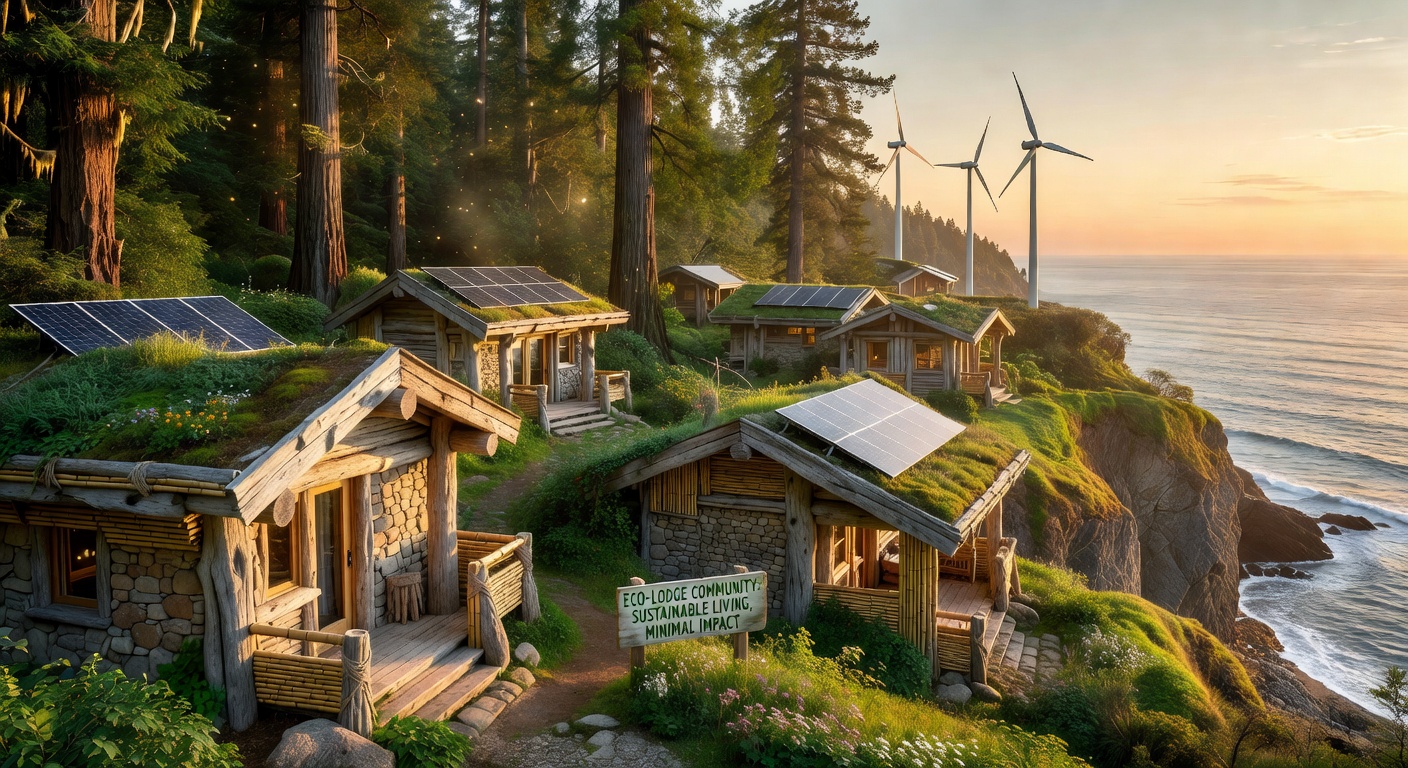
Every night you spend in a genuinely sustainable property sends a signal through the market. It funds conservation science, pays fair wages to local guides and housekeepers, demonstrates that environmental performance and guest satisfaction can coexist, and creates living proof that responsible tourism is commercially viable.
Conversely, choosing large international chains or uncertified "eco" resorts that extract profits offshore and import foreign staff creates minimal community benefit from your visit. The quality of the experience is often the same or lower — but the impact is profoundly different.
Research before you book. Email properties directly with questions. Seek out community-owned operations, certified lodges, and family-run homestays that are genuinely embedded in the ecosystem they depend on. Your accommodation choice is one of the most powerful votes you cast as a traveler.